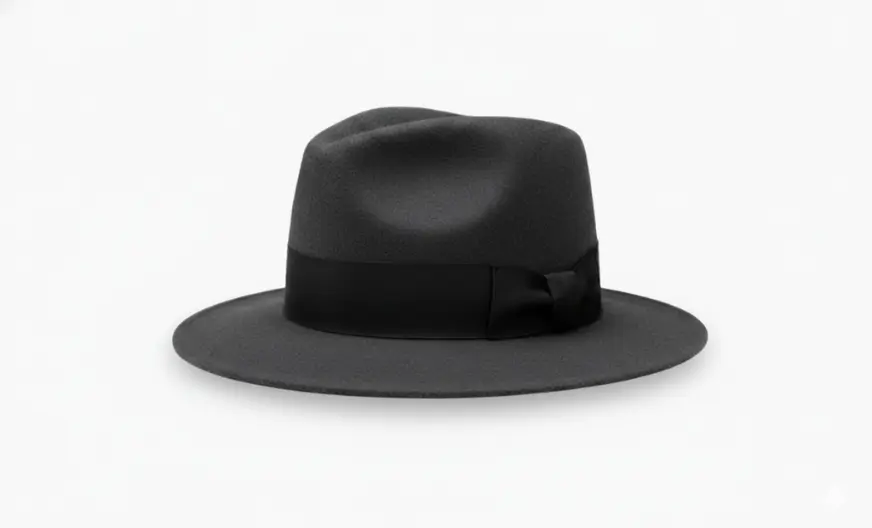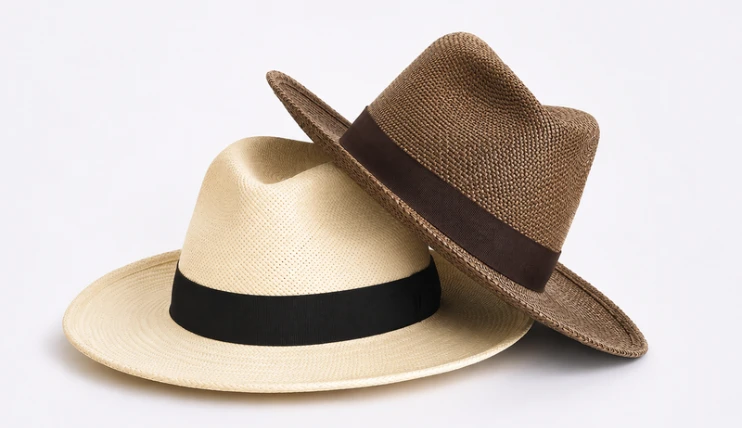
The main difference between a Panama hat and a fedora is that a Panama hat is defined by its material and origin, while a fedora is defined by its style.
A genuine Panama hat is handwoven in Ecuador from toquilla straw. A fedora has a creased crown (a crease on top), often with pinches at the front. It can be made from felt, straw, or other materials.
This means a Panama hat can also be a fedora if it has that shape.
Panama Hat vs Fedora Hat: Quick Comparison
Here’s how Panama hats and fedoras compare.
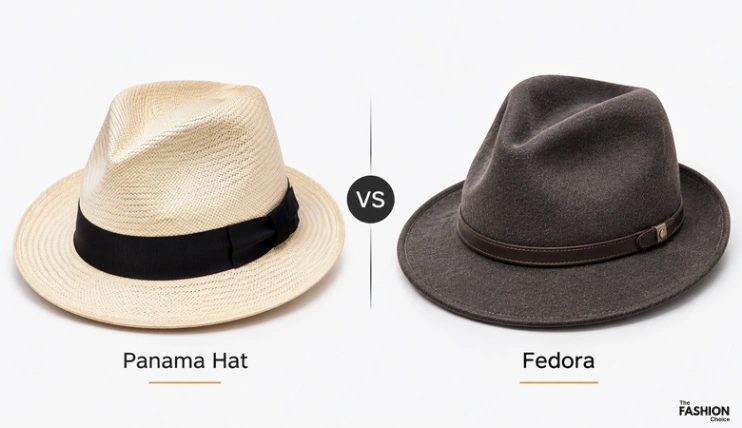
| Feature | Panama Hat | Fedora |
|---|---|---|
| Definition | A hat defined by its material and origin. | A hat defined by its shape and style. |
| Origin | Ecuador, not Panama. | Named after the French play Fédora in 1882. |
| Material | Made from toquilla straw, handwoven in Ecuador. | Made from wool felt, fur felt, straw, paper braid, or leather. |
| Shape | Comes in different shapes, such as Optimo and Planter. Can also have a fedora shape. | Usually has a crease on top and pinches at the front. |
| Weather | Good for warm weather. It’s light and breathable, but doesn’t keep you warm in cold weather. | Depends on the material. Straw fedoras work well in warm weather, while wool or fur felt fedoras are better for cooler weather. |
| Care | Needs gentle care. It can lose its shape when wet and crack if you bend or crush it. | A good fur felt fedora handles light rain better, but it is not waterproof. A straw fedora needs about the same care as a Panama hat. |
| Outfits | Works with casual and dressy summer outfits, like linen shirts, shorts, and summer dresses. | A straw fedora works with summer outfits. A felt fedora works with sweaters, blazers, and coats. |
Can a Panama Hat Also Be a Fedora?
Yes, a Panama hat can also be a fedora if it has a creased crown and pinches at the front.
Panama hats come in other shapes too, such as the Optimo and the Planter, so they aren’t all fedoras.
You’ll also find straw fedoras made from paper braid or wheat straw instead of toquilla straw. These are still fedoras, but they aren’t genuine Panama hats.
Panama Hat vs Fedora: Key Differences
A Panama hat and a fedora can look alike, but they differ in materials, history, comfort, and care. Here’s how they compare.
Materials and Construction
A Panama hat is woven by hand from toquilla straw. This straw comes from a plant that grows on the coast of Ecuador. After weaving, the maker washes, bleaches, molds, and presses the hat into shape.
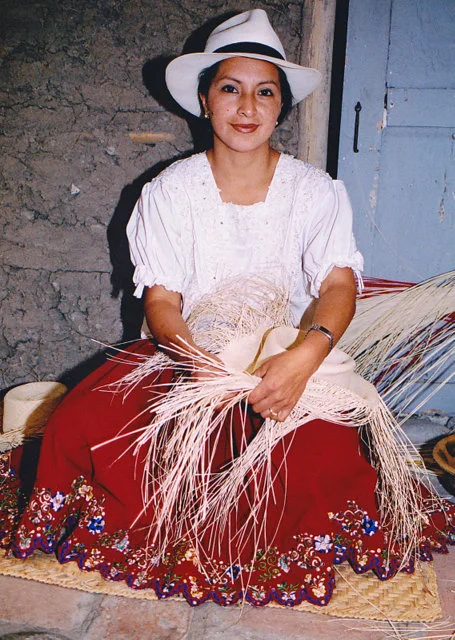
Photo: Woman who makes a kind of straw hats Ecuador by Peter van der Sluijs, via Wikimedia Commons. Licensed under CC BY-SA 3.0 . No changes made.
The finer the weave, the longer the hat takes to make. According to UNESCO, one hat can take anywhere from one day to eight months. That is why some Panama hats cost much more than others.
A fedora is a hat style, so it isn’t limited to one material. You’ll find fedoras made from wool felt, fur felt, straw, and even leather. Hat makers usually shape felt fedoras with steam and wooden blocks. Makers either weave straw fedoras or sew strips of braided straw together.
Origins and History
Panama hats come from Ecuador, not Panama. People in Ecuador have woven them by hand for hundreds of years.
They got the name because traders sold them through Panama. They became more popular after President Theodore Roosevelt wore one on his visit to the Panama Canal in 1906. Read our history of Panama hats to learn more.
The fedora got its name from a French play called Fédora, first shown in 1882. Sarah Bernhardt played the main role. The hat became very popular in the 1920s and 1930s. You can read more in our guide to fedora hats.
Comfort, Weather, and Sun Protection
Panama hats are light and let air through, so they are good for hot weather. Thick wool or fur felt fedoras hold more heat, so they are better for cold weather.
A straw fedora can be just as comfortable as a Panama hat in summer. It depends on the material, how tight the weave is, and how well the hat fits.
Neither hat gives better sun protection just because of its name. A wide brim shades your face, ears, and neck. A tight weave blocks more sunlight. The American Academy of Dermatology also says to avoid straw hats with holes, because sunlight can pass through them.
If you spend a lot of time outside, pick a hat with a wide brim, a tight weave, and a UPF 50+ rating. Check our guide to the best UPF hats for women for some options. Men can wear some of these styles too, as long as the hat fits well and gives enough sun protection.
Durability and Care
Panama hats need more care than most good fur felt fedoras. Toquilla straw can lose its shape when it gets wet. It can also crack if you bend or crush it. A good fur felt fedora handles light rain and daily wear better, but it is not waterproof.
A straw fedora can need just as much care as a Panama hat. It depends on the straw and how the hat is made.
If your hat gets wet, let it air-dry at room temperature. Do not use a hair dryer or put it near a heater. Store it in a cool, dry place, and do not put anything on top of the crown or brim.
When you travel, do not fold or roll the hat unless the maker says it is okay. For more tips, read our hat care guide.
Panama Hat vs Straw Fedora: Are They the Same?
Not always. A Panama hat is handwoven in Ecuador from toquilla straw. A straw fedora is a fedora made from straw or similar materials, like wheat straw or paper braid. So a straw fedora is a Panama hat only if it’s handwoven in Ecuador from toquilla straw.
For example, two straw fedoras can look very similar. One is handwoven in Ecuador from toquilla straw. The other is made from paper braid. Only the first one is a genuine Panama hat.
How to Tell if a Panama Hat Is Genuine
Start with two things: toquilla straw and handwoven in Ecuador. Look for these on the label or in the product description. Don’t trust the label alone, though, because some sellers call a hat a “genuine Panama” even when it’s made in another country.
Also check the weave. Marchesi di Montecristi, a Panama hat seller, says to look for a tight, even weave and edges finished by hand. These show a hat’s quality, but they don’t prove it’s genuine.
If the seller only says “Panama-style hat” or doesn’t say where it’s made, ask if it’s handwoven in Ecuador from toquilla straw. If they can’t say yes, don’t buy it as a genuine Panama hat.
Panama Hat or Fedora: Which Should You Choose?
Pick a Panama hat or a lightweight straw fedora for summer, and a wool or fur felt fedora when it gets cooler.
Panama hats and straw fedoras go well with linen shirts, shorts, chinos, summer dresses, and lightweight suits. They work for vacations, outdoor lunches, and summer weddings, and men and women can wear either one. A felt fedora goes well with sweaters, blazers, jackets, and coats.
If you can’t decide between a Panama hat and a straw fedora, don’t overthink it. Both can work well in summer, so pick the one that fits comfortably and looks good with your clothes. A genuine Panama hat can cost a lot more because it takes so long to weave, so if price matters, a straw fedora is a fine choice.
Affiliate Disclosure: We may earn a commission if you buy through the links in this section, at no extra cost to you. As an Amazon Associate I earn from qualifying purchases.
One genuine Panama hat to look at is the Bigalli Classic Straw Panama Hat on Amazon.
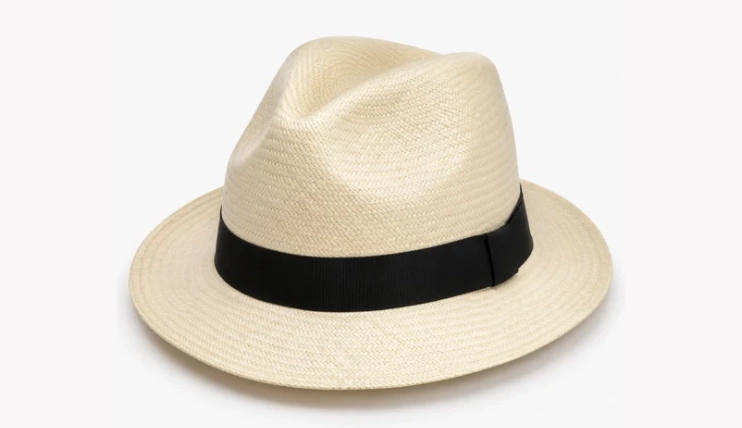
This image is for illustration only. See the actual product on Amazon.
Bigalli says it’s handwoven in Ecuador from toquilla straw. It’s lightweight, breathable, and has a classic fedora shape with a black ribbon.
The brim is about 2.38 inches wide. Bigalli also lists UPF 50+ sun protection and includes size reducer tape if the hat feels a little loose.
It’s a fairly expensive hat, though, so check the current price and size chart before buying.
For cooler weather, you can look at the Brixton Messer Fedora.


It’s made from 100% wool felt, so it’s a better choice for cooler days than a straw Panama hat. It comes in black with a brown faux leather band and a 2.5 inch brim. The crown has a crease on top with a slight pinch at the front.
The felt is a little stiff, which helps it keep its shape. You can also adjust the fit using the strap inside the hat. Just keep in mind that wool felt can feel too warm on hot summer days, so this hat makes more sense for cooler weather.
Before you buy either hat, make sure you know your hat size. Our guide to measuring your head shows you how. Then enter your measurement into our Hat Size Calculator and check the result against the brand’s size chart, since sizes can vary between brands.