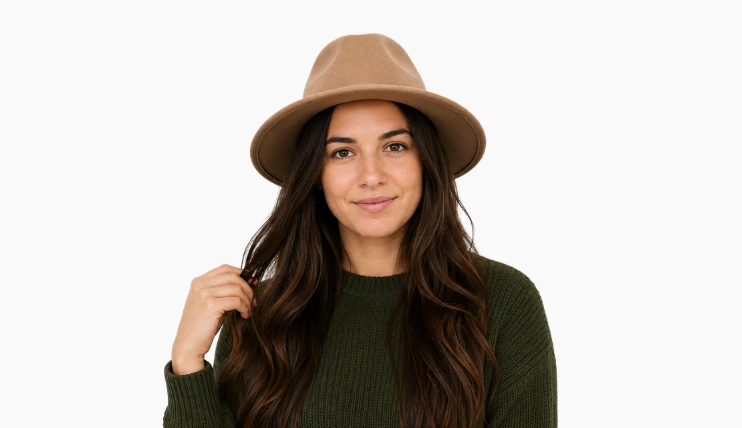
Wearing a hat with long hair seems simple, but flat roots, frizz, and messy strands can ruin hours of styling.
Most guides just tell you “put the hat on” or “tie your hair back.”
That doesn’t actually help.
In this guide, you’ll learn how to wear any hat with long hair so it stays full, styled, and effortless, even after you take it off.
Let’s dive in and see what usually goes wrong with hats and long hair.
The Biggest Mistakes People Make When Wearing Hats with Long Hair
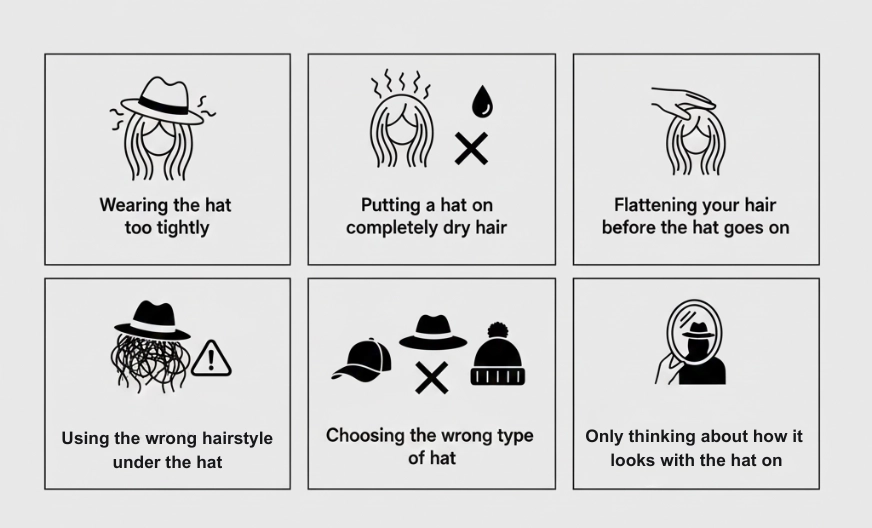
Most problems with hats and long hair come from a few common mistakes. People don’t realize they’re doing them, but they ruin the look every time.
Wearing the Hat Too Tightly
This is the most common mistake. A tight hat presses your hair down at the top of your head and flattens it fast.
When you take it off, your hair sticks to your head and looks dead. A hat should sit comfortably, not squeeze your scalp.
Putting a Hat on Dry Hair
Dry hair creates friction. That friction causes frizz, flyaways, and bent strands, especially around the face.
Sliding a hat over dry hair almost guarantees a messy result later.
Flattening Your Hair Before the Hat Goes On
Many people push their hair down to “make it fit.” That kills volume at the top of your head. Once the roots are flat, they stay flat.
No quick fix will fully bring that volume back.
Using the Wrong Hairstyle Under the Hat
Not every hairstyle works with every hat. High ponytails under low hats. Big buns under fitted caps. Loose hair under tight beanies.
These choices create pressure, bumps, and awkward shapes.
Choosing the Wrong Type of Hat
Some hats just don’t work well with long hair. Shallow hats, stiff materials, or rough inner linings mess up your hair and pull it out of place.
If the hat fights your hair, your hair always loses.
Only Thinking About How It Looks With the Hat On
Most people forget about what happens after the hat comes off. That’s why they end up with flat roots and bent ends and no idea how to fix it.
Fix these mistakes first. Everything else becomes easier once these problems are out of the way.
How to Prep Your Long Hair Before Wearing a Hat
If your hair isn’t prepped right, the hat will mess it up. Simple as that. This step matters more than the hat or the hairstyle.
Start with Clean Hair
Hair that’s dirty or oily goes flat fast. It also sticks to your head when the hat comes off.
Your hair doesn’t need to be freshly washed, just clean enough that it feels light.
Use a Small Amount of Product
This is not for styling. It’s just to keep things under control. A small drop of leave-in or light cream is enough.
Rub it between your hands and run it through the middle and ends. Stay away from the top of your head. Product there kills volume.
Give Your Hair Some Lift First
If your hair is flat before the hat, it will look worse after. Use your fingers to lift the hair at the top or give it a quick blast of air with a dryer.
You don’t need height. You just need movement.
Make Sure Your Hair is Fully Dry
Never put a hat on damp hair. It bends the hair and locks in frizz. Once it dries under the hat, that shape stays.
Set Your Part Before the Hat Goes On
Decide where your hair will sit. Middle part. Side part. Pushed back. If you don’t decide, the hat will decide for you. And it usually chooses wrong.
This takes a couple of minutes. Skip it, and you’ll fight your hair all day.
How to Wear a Baseball Cap with Long Hair
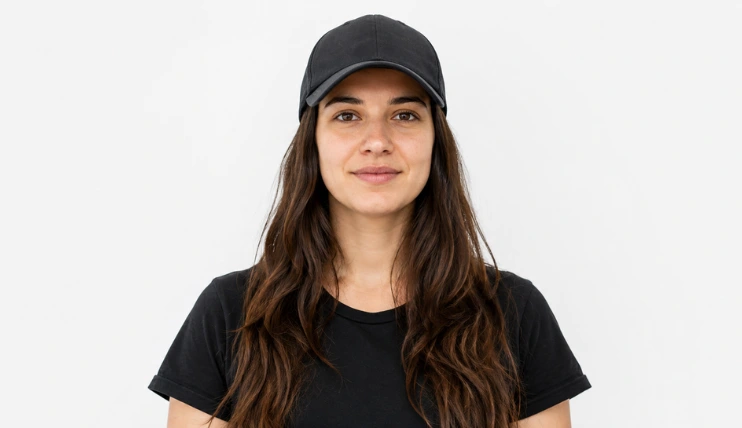
To wear a baseball cap with long hair, place the cap slightly above your eyebrows and wear your hair down, in a low ponytail, or in a low bun. These styles keep the cap comfortable while allowing your hair to stay visible.
If your cap has an opening at the back, pull a low ponytail through it. This helps keep your hair in place and prevents it from bunching up under the cap.
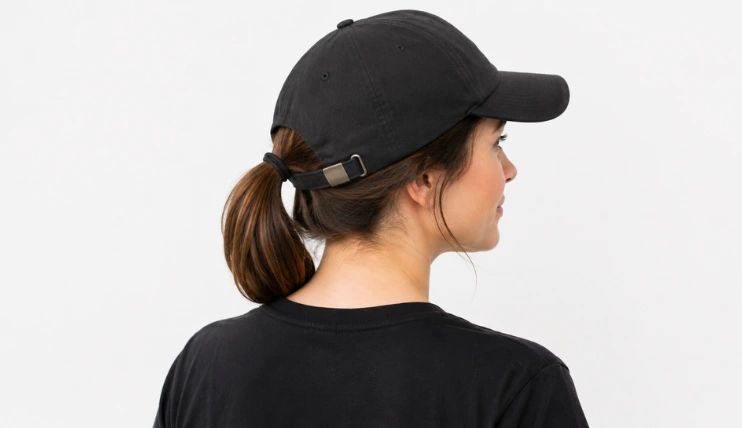
Avoid high ponytails and high buns. They push the cap upward and can make it sit awkwardly on your head.
If you wear your hair down, bring some hair forward over your shoulders. This helps balance the look and keeps the cap from hiding too much of your hair.
When you take the cap off, shake out your roots and smooth any hat lines with your fingers. Long hair usually bounces back quickly, so it only takes a few seconds to restore its shape.
How to Wear a Trucker Hat with Long Hair
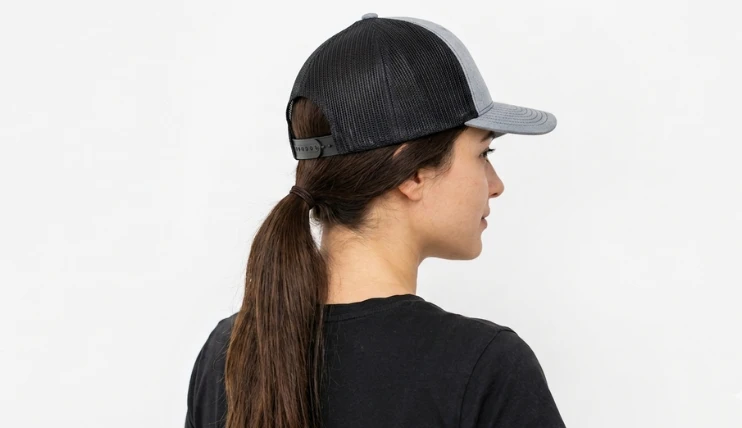
A low ponytail works especially well with a trucker hat because it keeps long hair neat and comfortable. If you prefer to wear your hair down, leave some hair visible below the hat instead of tucking it all inside.
If your trucker hat has a back opening, pull a low ponytail through it. This keeps your hair secure and more comfortable throughout the day.
The mesh back and taller crown leave more room for your hair than a regular baseball cap. Because of this, trucker hats usually flatten long hair less and help maintain volume at the roots.
Avoid stuffing all of your hair inside the hat. Long hair looks more natural when some of it stays visible around your shoulders and neck.
If your hair feels flat after taking the hat off, lift the roots with your fingers and give your hair a quick shake to bring the volume back.
How to Wear a Beanie with Long Hair
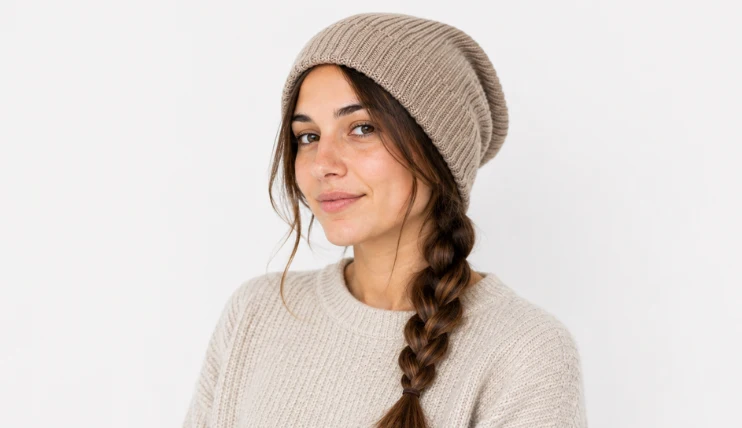
A loose braid is one of the best ways to wear a hat with long hair when you are wearing a beanie. It keeps long hair neat without creating extra bulk under the hat. A low ponytail or low bun can work well too.
Beanies sit closer to the head than most hats, so long hair can easily become tangled or flat if it is left loose underneath.
Avoid high buns and high ponytails. They create pressure under the hat and can make the beanie sit awkwardly on your head.
If you wear your hair down, pull it forward over your shoulders after putting the beanie on. This keeps your hair visible and prevents the hat from hiding your hairstyle completely.
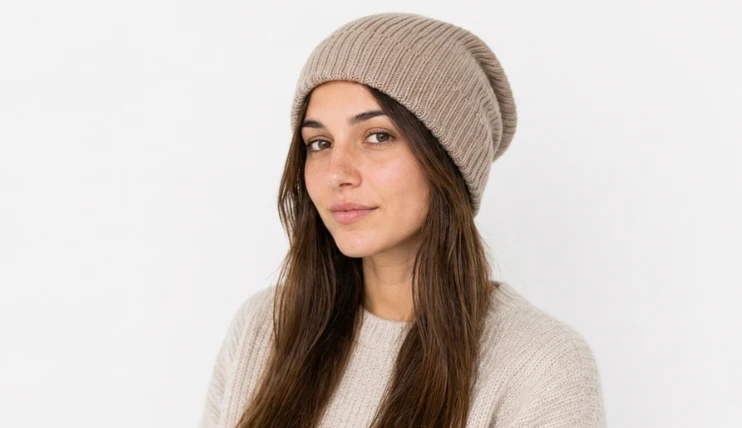
During winter, static is often a bigger problem than flatness. A small amount of leave-in conditioner or anti-frizz serum can help keep your hair smooth after taking the beanie off.
How to Wear a Bucket Hat with Long Hair
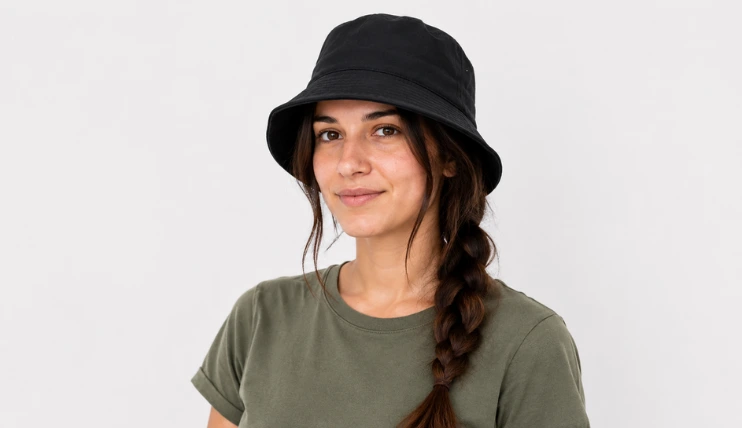
Wear your long hair in a loose low braid or leave it down when wearing a bucket hat. Let some hair remain visible around your face and shoulders instead of tucking it all inside the hat.
Bucket hats have a relaxed shape, so they work naturally with long hair. Unlike a baseball cap or beanie, a bucket hat does not need to fit tightly against your head.
One common mistake is stuffing all of your hair inside the hat. This creates extra bulk and can make the hat look larger than it really is
If you have thick hair, a loose low braid can make the hat feel more comfortable and help prevent tangles. Because bucket hats are soft and flexible, they usually leave fewer hat marks than tighter hats.
How to Wear a Beret with Long Hair
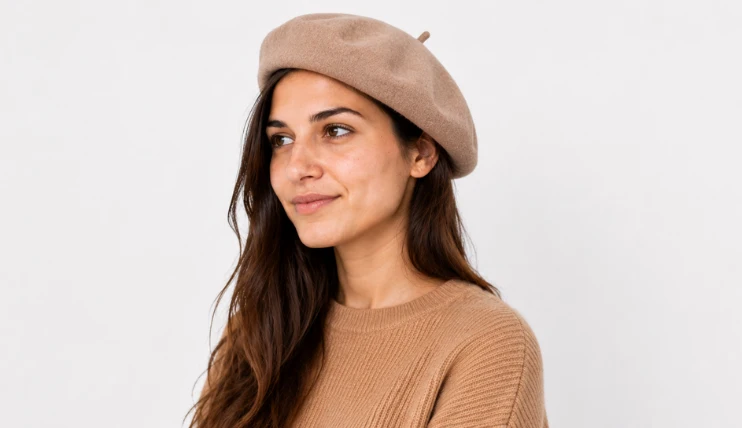
Wear your hair down and tuck one side behind your ear before putting on a beret. This helps show the shape of the hat and keeps long hair from covering it completely.
A beret looks best when it sits slightly behind your hairline and tilts gently to one side. If too much hair falls over the sides of your face, it can hide the beret and make it harder to see.
If you have long layers, let a few pieces fall naturally around your face. This helps the hairstyle and beret look more natural together. Avoid placing the beret flat on top of your head. A slight tilt gives it shape and makes it look more natural.
Because berets are lightweight and do not fit tightly around the head, they usually flatten long hair less than beanies and fitted caps.
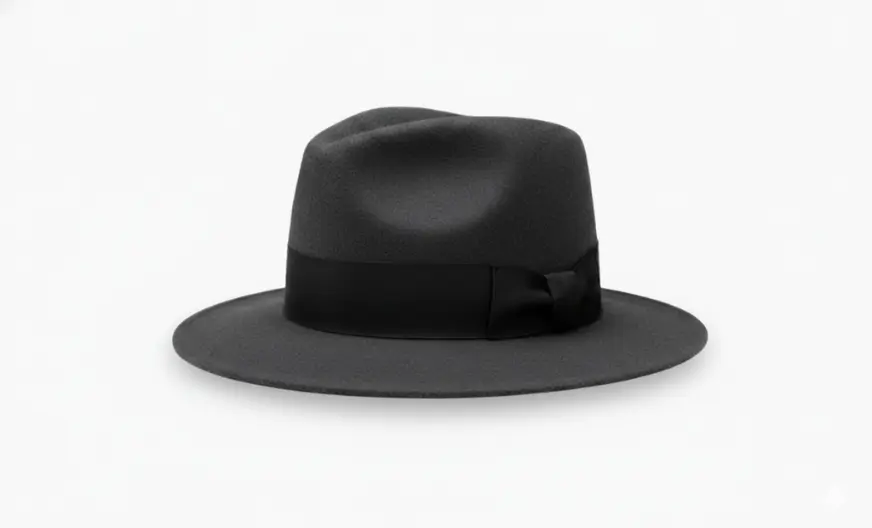
How to Wear a Fedora with Long Hair
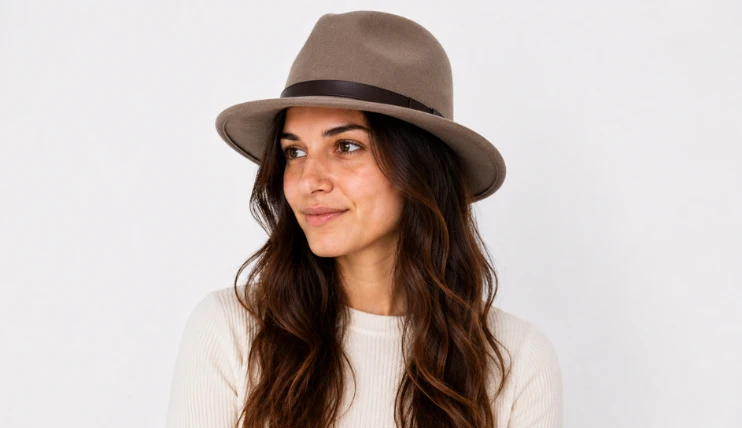
Wear your hair in loose waves when wearing a fedora. The waves help frame your face and balance the structured shape of the hat. If you prefer, you can also wear your hair down or in a low ponytail.
A fedora already has a defined crown and brim, so there is no need to create extra height with your hairstyle.
Avoid tight high buns. They can compete with the shape of the crown and make the hat look awkward from the side.
If you have long layers, leave a few pieces around your face. This softens the look and prevents the fedora from feeling too formal.
Because fedoras sit on top of the head rather than wrapping around it, they usually flatten long hair less than fitted caps and beanies.
How to Wear a Cowboy Hat with Long Hair
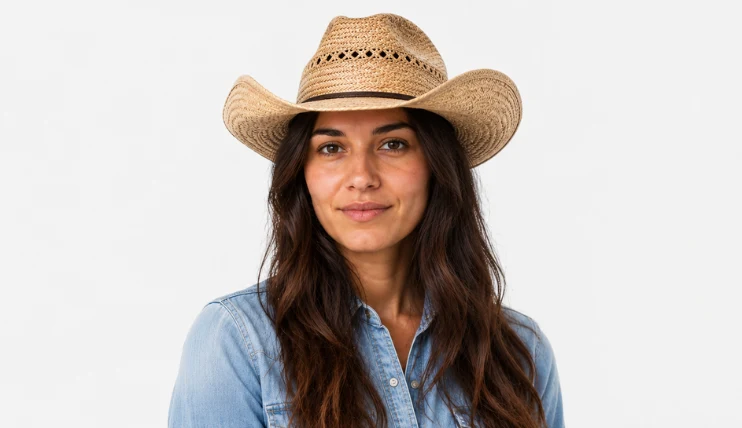
Long hair worn down is the most common way to style a cowboy hat. A low ponytail or two loose braids are good alternatives if you want to keep your hair more secure.
Cowboy hats have a larger crown than most everyday hats, so long hair usually has plenty of room underneath.
Many people pull all of their hair behind their shoulders, but letting some hair fall forward helps keep the hairstyle visible.
If you spend time outdoors, loose braids can help prevent tangles caused by wind.
Your hairstyle should complement the hat, not hold it in place. A properly fitted cowboy hat should feel secure on its own. Not sure if you’re wearing it correctly? See our guide on how to wear a cowboy hat correctly.
How to Wear a Cloche Hat with Long Hair
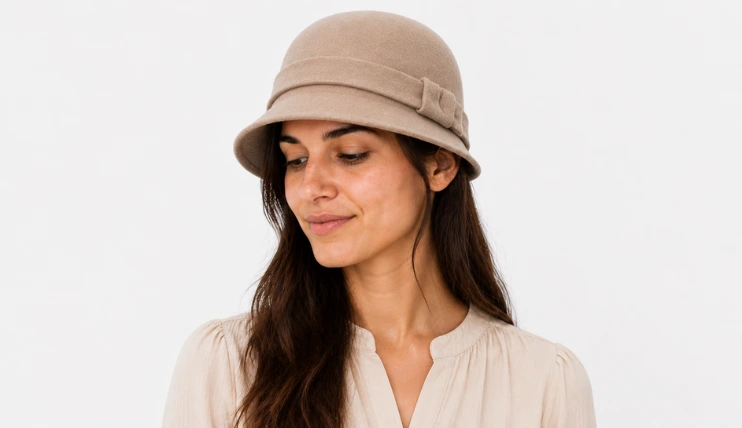
A low ponytail, low bun, or hair tucked behind the ears usually pairs best with a cloche hat. These simple styles complement the close fit of the hat without adding extra bulk.
Unlike a fedora or cowboy hat, a cloche hat frames the face closely. Keeping your hairstyle neat helps maintain that shape.
Avoid bulky buns and high ponytails. They can interfere with the close fit that makes a cloche hat look right.
If you have long bangs or face-framing layers, let them show naturally beneath the brim to keep the style from looking too severe.
Because cloche hats sit close to the head, they often work best with smooth, simple hairstyles rather than voluminous ones.
How to Wear a Fascinator in Long Hair
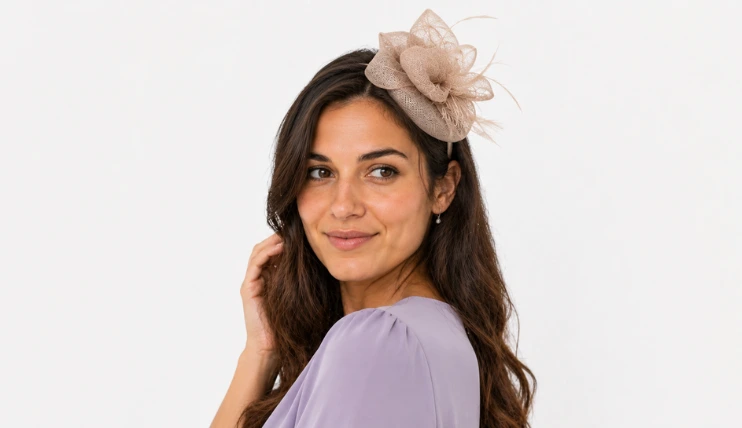
Place the fascinator just above one ear and secure it close to the roots where your hair is thickest. This keeps it visible from the front and gives the clip or headband a more secure hold.
Long hair works well with fascinators because it provides natural support and helps hide clips, combs, and bands. Most people do not need an elaborate hairstyle. Soft waves, a half-up style, or a low bun are usually enough.
One common mistake is placing the fascinator too far back on the side of the head. When it is not positioned close enough to the face, it becomes less noticeable from the front and loses some of its visual impact.
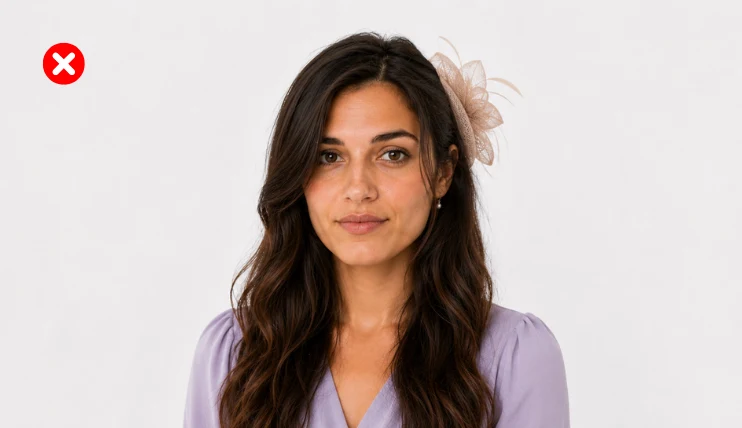
If you are using a fascinator with a clip, attach it near the roots instead of the ends of your hair. The roots provide a stronger grip and help prevent slipping throughout the day.
For weddings and formal events, a low bun or soft waves often work better than a high ponytail. These styles keep the focus on the fascinator while still allowing your hair to frame your face naturally.
If your hair is very thick or heavy, use a few hidden bobby pins underneath the fascinator for extra support. This is a common trick used by stylists to keep fascinators secure during long events.
A fascinator should complement your hairstyle, not compete with it. The goal is to make both the fascinator and your hair visible rather than letting one completely hide the other.
If you are new to fascinators, see our guide on how to wear a fascinator for placement tips, styling ideas, and common mistakes to avoid.
How to Wear a Sun Hat with Long Hair
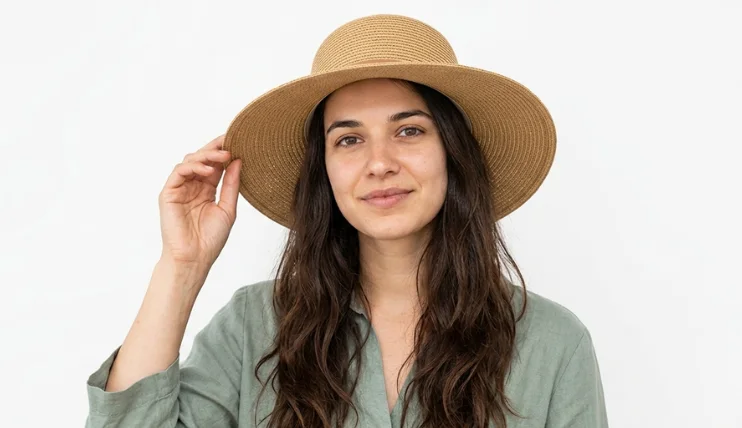
Long hair worn down is one of the most popular ways to style a sun hat. Loose waves and low braids also work well because they keep hair visible around the face and shoulders.
One common mistake is pulling all of your hair behind your shoulders. There is nothing wrong with this if you prefer it, but leaving some hair visible around your face often creates a more balanced look with a wide-brim sun hat.
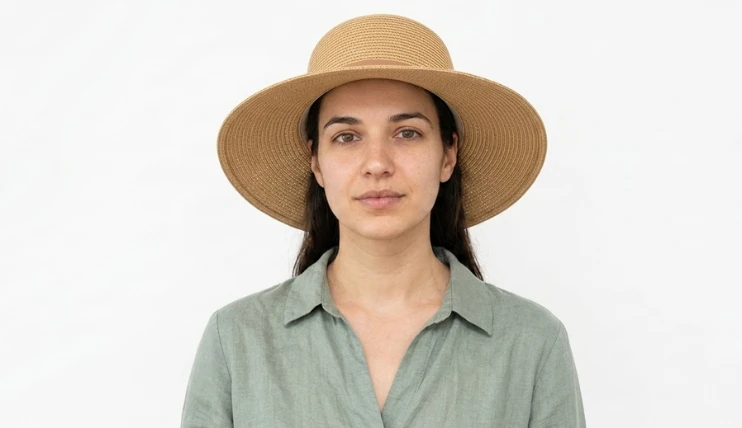
Let a few front pieces fall naturally around your cheeks and jawline. This softens the look and helps the hat frame your face instead of covering it.
If you have very thick or long hair, a loose side braid can make a sun hat more comfortable on hot days while still keeping the style visible.
Sun hats are usually lighter and less fitted than baseball caps or beanies, so they rarely flatten long hair. The bigger challenge is keeping your hairstyle visible beneath the brim.
For beach days, vacations, and outdoor events, loose waves are often one of the easiest hairstyles to pair with a sun hat because they create a relaxed look that matches the casual feel of the hat.
How to Wear a Snapback with Long Hair
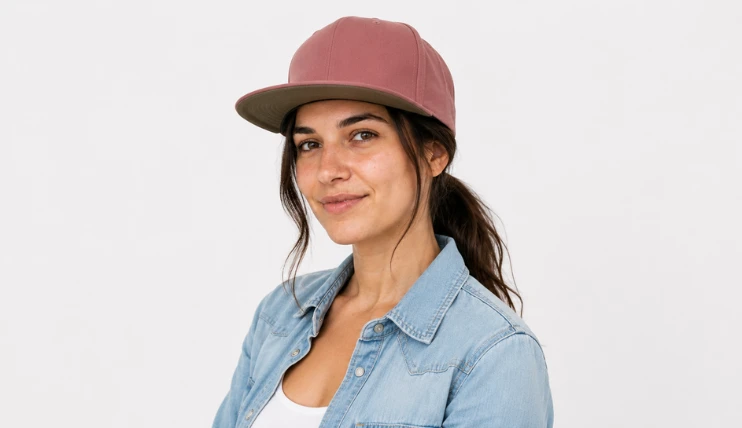
Pull a low ponytail through the opening at the back of the snapback, or leave your hair hanging below the hat. Both options look natural and keep your hair from getting trapped underneath.
The back opening is there for a reason. Use it. Trying to stuff all of your hair inside the hat usually feels uncomfortable and looks bulky.
If you wear your hair down, let it fall naturally over your shoulders. There is no need to tuck everything behind your back.
Skip high buns and high ponytails. They push against the back of the hat and can stop it from sitting properly.
Long hair and snapbacks usually work well together because the hat already has plenty of structure. You do not need a complicated hairstyle to make it look good.
For everyday wear, loose hair or a low ponytail is usually all you need.
How to Wear a Flat Cap with Long Hair
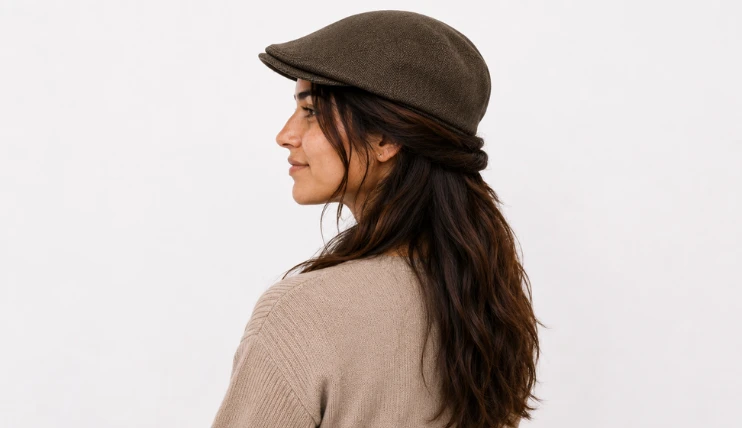
A low ponytail, side braid, or half-up hairstyle pairs well with a flat cap. These styles keep long hair neat without competing with the cap’s low-profile design.
Unlike taller hats, a flat cap sits close to the head. Simple hairstyles usually work best because they allow the cap to remain the focus.
Long layers and face-framing pieces can help soften the overall look and add movement around the face.
Avoid high buns and bulky hairstyles. They can interfere with the flat cap’s close fit and make the style look less natural.
If you prefer a ponytail, keep it low. This helps the cap sit comfortably and maintain its intended shape.
How to Wear a Winter Hat with Long Hair
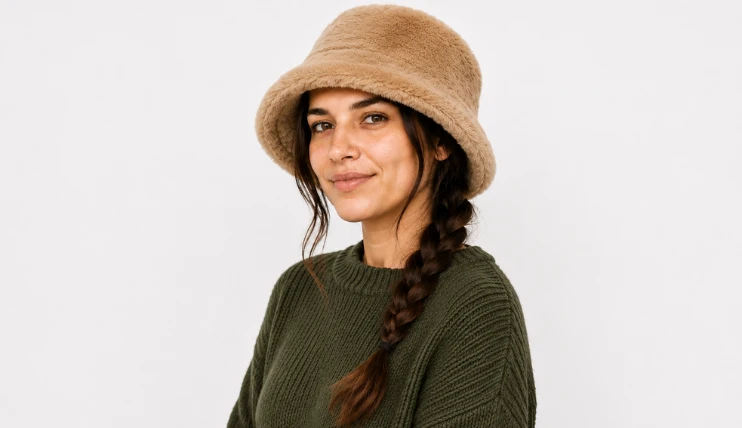
Keep your hair in a low braid, low ponytail, or loose style when wearing a winter hat. These hairstyles reduce bulk under the hat and help prevent tangles, flatness, and static.
Winter hats create more friction than most other hats because wool, fleece, and knit fabrics stay in contact with your hair the entire time you wear them. This is why long hair often looks flatter after taking a winter hat off.
A loose braid is one of the easiest options for long hair. It keeps your hair contained, reduces knots, and fits comfortably under most winter hats.
Avoid high buns and thick updos. They can stretch the hat, create pressure points, and make the fit uncomfortable.
If static is a problem, apply a small amount of leave-in conditioner or anti-frizz serum before putting the hat on. This helps keep your hair smoother throughout the day.
Slouchy beanies, fleece-lined hats, and faux fur bucket hats are often easier on long hair than tight-fitting winter hats because they place less pressure on the roots.
When you take the hat off, run your fingers through the roots and gently shake out your hair. This quickly restores volume and helps remove any hat marks.
Hairstyles That Work Under Hats with Long Hair
The best hairstyles to wear under hats are low ponytails, loose hair, braids, low buns, and half-up styles. These hairstyles reduce bulk, help hats fit properly, and make long hair easier to manage.
Many hat problems happen because the hairstyle creates too much volume under the hat. When hair sits naturally, the hat usually fits better and feels more comfortable.
Low Ponytail
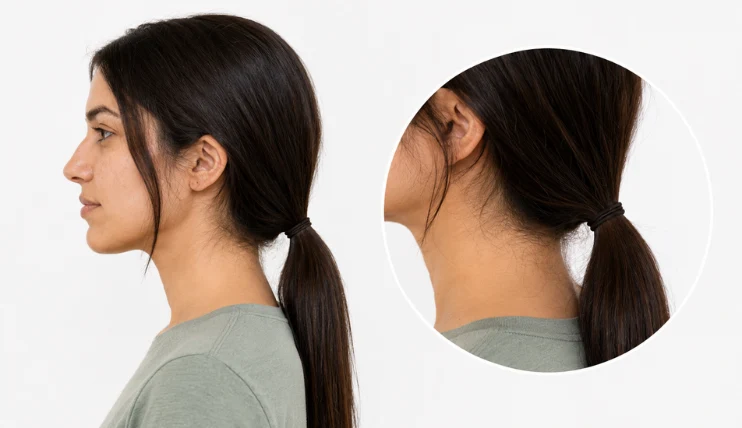
A low ponytail is one of the safest hairstyles to wear with a hat. It keeps hair controlled while allowing the hat to sit properly on your head.
Keep the ponytail close to the neck. A high ponytail can push against the back of the hat and affect the fit.
Loose Hair
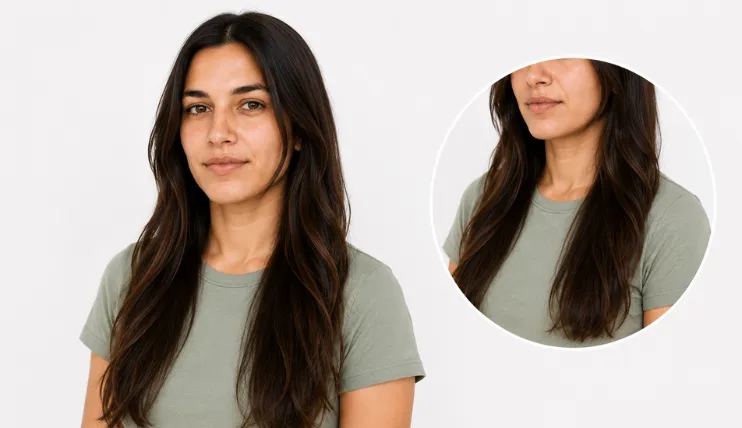
Loose hair works well with most hats when it is evenly distributed before putting the hat on. This helps prevent flat spots and keeps the hairstyle looking natural.
Place the hat gently on your head instead of pressing it down. Too much pressure can flatten the hair quickly.
Braids
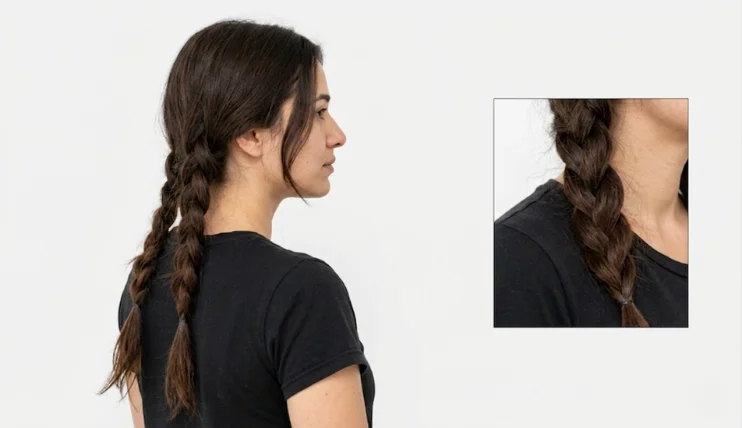
Braids are one of the most practical hairstyles for hats because they keep hair secure and reduce tangles.
A low braid works with almost any hat, while a side braid can be helpful when there is limited space at the back. Keep braids loose because tight braids can create pressure and discomfort under the hat.
Low Bun
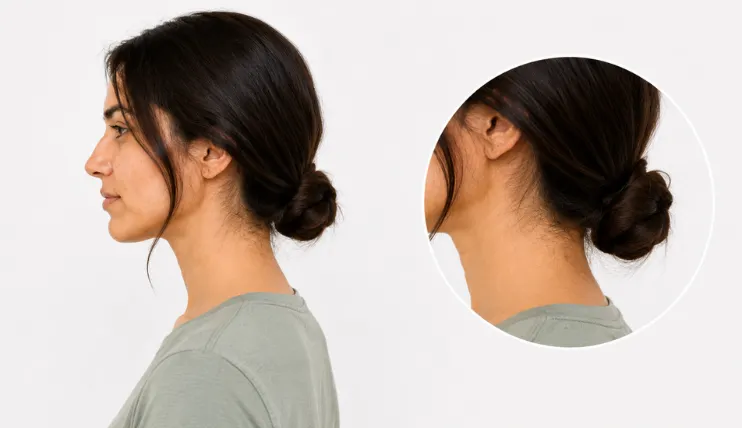
A small low bun can work well under some hats, especially when you want a neat and polished look.
Keep the bun compact and close to the neck. Large buns often create extra bulk and can prevent the hat from sitting comfortably.
Half-Up Style
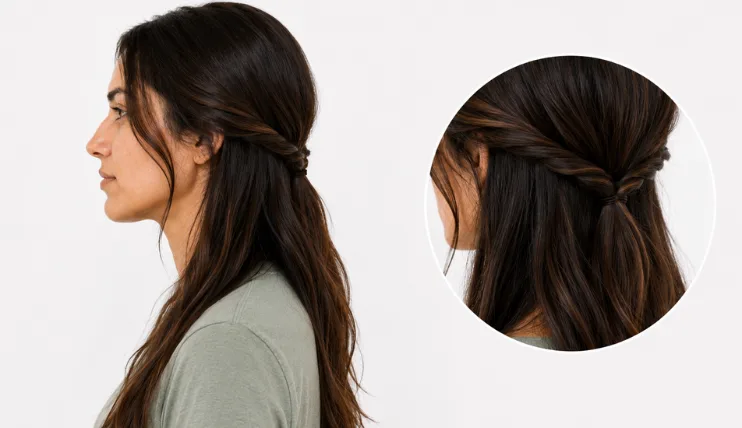
A half-up hairstyle keeps hair away from the face while allowing the rest of the hair to remain visible.
Place the tie lower on the back of the head so it does not interfere with the hat. This simple adjustment often makes the hairstyle more comfortable under close-fitting hats.
No matter which hairstyle you choose, comfort is a good sign that the hat and hairstyle are working together. If a hat feels tight, uneven, or keeps shifting, the hairstyle may be creating too much bulk underneath.
How to Prevent Hat Hair with Long Hair
The best way to prevent hat hair is to start with a low hairstyle, wear a properly fitting hat, and avoid pressing the hat down too tightly.
Hat hair is one of the most common problems for people with long hair, but a few small changes can make a big difference.
Prepare Your Hair First
Hair that is oily, flat, or tangled tends to crease more easily under a hat. A little dry shampoo at the roots can add lift, while a light texturizing spray can help maintain volume.
If your hair tends to frizz, apply a small amount of leave-in product to the mid-lengths and ends before putting on a hat.
Choose a Low Hairstyle
Low ponytails, loose braids, low buns, and half-up styles work best under most hats.
These hairstyles reduce bulk and help the hat sit naturally on your head. High ponytails and large buns often create pressure points and can leave dents in the hair.
Wear the Hat Gently
Place the hat on your head instead of forcing it down. A hat that fits properly should feel secure without crushing your hair. Tight hats flatten hair quickly and can make hat hair worse.
Control Static and Flyaways
Static and flyaways are common during colder months. A light mist of hairspray or anti-static spray can help keep hair smooth. Use only a small amount because too much product can make hair stiff.
Refresh Your Hair After Removing the Hat
If your hair becomes flat, gently shake it out and lift the roots with your fingers.
A small spritz of water, dry shampoo, or texturizing spray can help restore volume and shape in a few seconds.
The goal is not to eliminate every sign of hat hair. It is to keep your hairstyle looking natural and make touch-ups quick and easy.
Extra Tip for Frizz and Static:
If frizz or static is a regular problem, a silk or satin layer between your hair and hat can help reduce friction. Many people use a silk scarf or choose hats with a satin lining. This can be especially helpful for wavy or curly hair, but it is completely optional.
Your Turn
We’ve covered a lot in this guide, but the best way to find what works is to try it yourself.
A different hairstyle, a better fit, or a small adjustment can completely change how a hat looks and feels.
If you’ve found a trick that works well for your hair, share it in the comments. Someone else might find it helpful too.
Related Guide: How to Wear a Hat with Short Hair