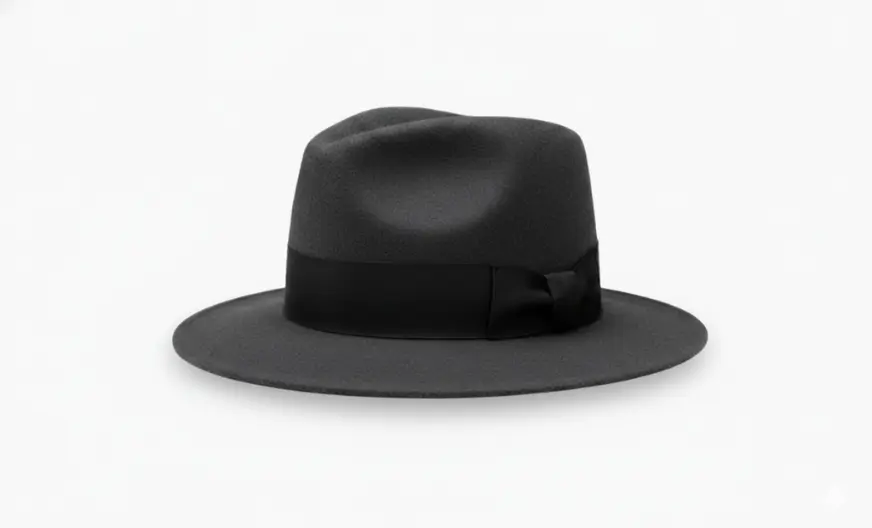

Wearing a hat with long hair seems simple, but flat roots, frizz, and messy strands can ruin hours of styling.
Most guides just tell you “put the hat on” or “tie your hair back.”
That doesn’t actually help.
In this guide, you’ll learn how to wear any hat with long hair so it stays full, styled, and effortless, even after you take it off.
Let’s dive in and see what usually goes wrong with hats and long hair.
The Biggest Mistakes People Make Wearing Hats with Long Hair
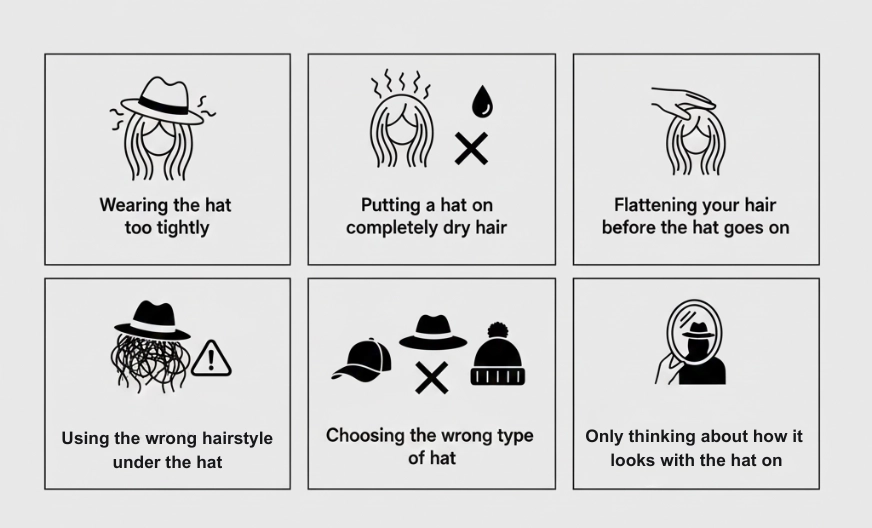
Most problems with hats and long hair come from a few common mistakes. People don’t realize they’re doing them, but they ruin the look every time.
Wearing the hat too tightly
This is the most common mistake. A tight hat presses your hair down at the top of your head and flattens it fast.
When you take it off, your hair sticks to your head and looks dead. A hat should sit comfortably, not squeeze your scalp.
Putting a hat on completely dry hair
Dry hair creates friction. That friction causes frizz, flyaways, and bent strands, especially around the face.
Sliding a hat over dry hair almost guarantees a messy result later.
Flattening your hair before the hat goes on
Many people push their hair down to “make it fit.” That kills volume at the top of your head. Once the roots are flat, they stay flat.
No quick fix will fully bring that volume back.
Using the wrong hairstyle under the hat
Not every hairstyle works with every hat. High ponytails under low hats. Big buns under fitted caps. Loose hair under tight beanies.
These choices create pressure, bumps, and awkward shapes.
Choosing the wrong type of hat
Some hats just don’t work well with long hair. Shallow hats, stiff materials, or rough inner linings mess up your hair and pull it out of place.
If the hat fights your hair, your hair always loses.
Only thinking about how it looks with the hat on
Most people forget about what happens after the hat comes off. That’s why they end up with flat roots and bent ends and no idea how to fix it.
Fix these mistakes first. Everything else becomes easier once these problems are out of the way.
Prep Your Long Hair Before Wearing a Hat
If your hair isn’t prepped right, the hat will mess it up. Simple as that. This step matters more than the hat or the hairstyle.
Start with clean hair
Hair that’s dirty or oily goes flat fast. It also sticks to your head when the hat comes off.
Your hair doesn’t need to be freshly washed, just clean enough that it feels light.
Use a tiny amount of product
This is not for styling. It’s just to keep things under control. A small drop of leave-in or light cream is enough.
Rub it between your hands and run it through the middle and ends. Stay away from the top of your head. Product there kills volume.
Give your hair some lift first
If your hair is flat before the hat, it will look worse after. Use your fingers to lift the hair at the top or give it a quick blast of air with a dryer.
You don’t need height. You just need movement.
Make sure your hair is fully dry
Never put a hat on damp hair. It bends the hair and locks in frizz. Once it dries under the hat, that shape stays.
Set your part before the hat goes on
Decide where your hair will sit. Middle part. Side part. Pushed back. If you don’t decide, the hat will decide for you. And it usually chooses wrong.
This takes a couple of minutes. Skip it, and you’ll fight your hair all day.
How to Wear a Hat with Long Hair Based on Hair Type
Different hair types behave differently under hats. Straight hair tends to go flat, wavy hair can frizz, and curly hair can get squashed.
But if you know a few simple tricks, anyone can wear a hat and keep their hair looking good
Straight Long Hair
Straight hair falls flat easily under hats. The easiest way to prevent this is to tie a low, loose ponytail just below the base of your head. It keeps your hair smooth without making a bump under the hat.
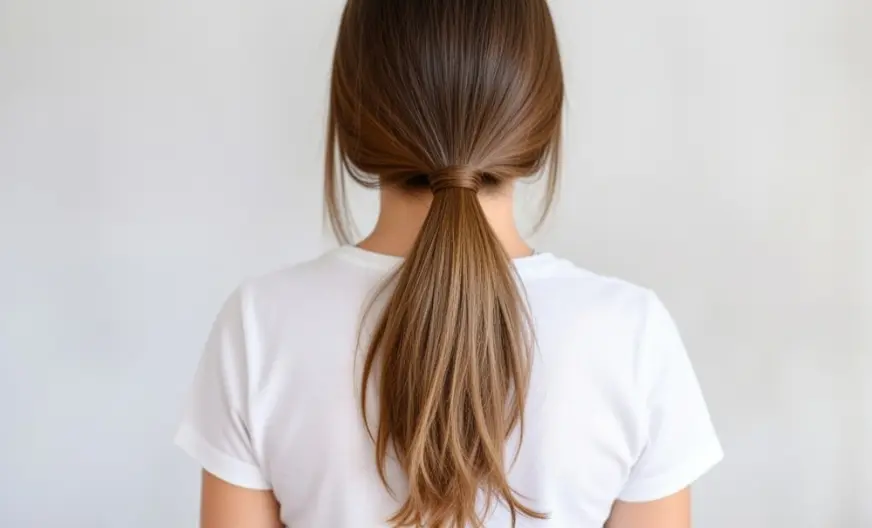
A little dry shampoo or texturizing spray at the roots helps your hair stay in place. Leave a few strands around your face. It makes the look natural.
Avoid heavy gels or products on top. They just weigh hair down and make it look flat after the hat comes off.
Wavy Long Hair
Wavy hair can frizz or lose shape under a hat. Loose braids or a half-up style work best. They keep the hair under control and preserve volume.
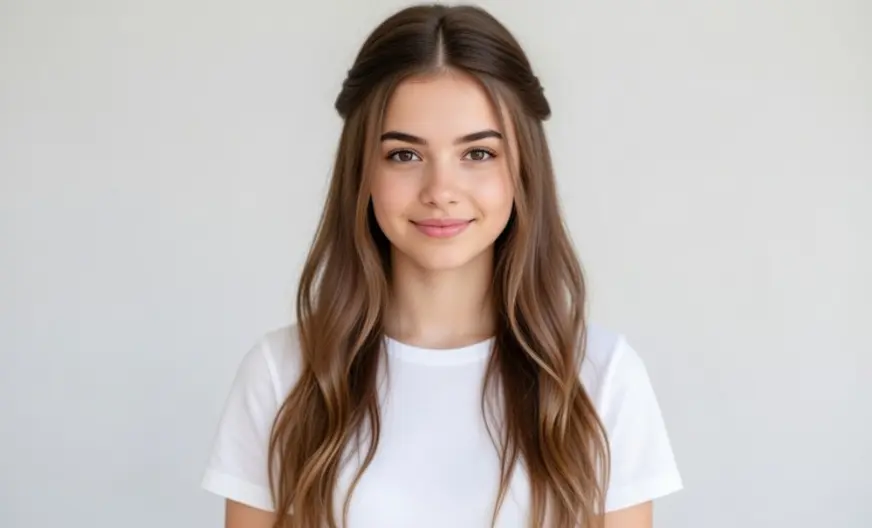
Use a small amount of cream or leave-in on the mid-lengths and ends to stop frizz. When wearing a beanie, twist a few front strands under the edge so they don’t stick out.
Don’t flatten your waves before putting on a hat. Let them move naturally.
Curly Long Hair
Curly hair is the most delicate. Tight hats crush curls and make frizz worse. A loose braid or low bun protects the curls. Leave some hair around your face so it doesn’t look squashed.
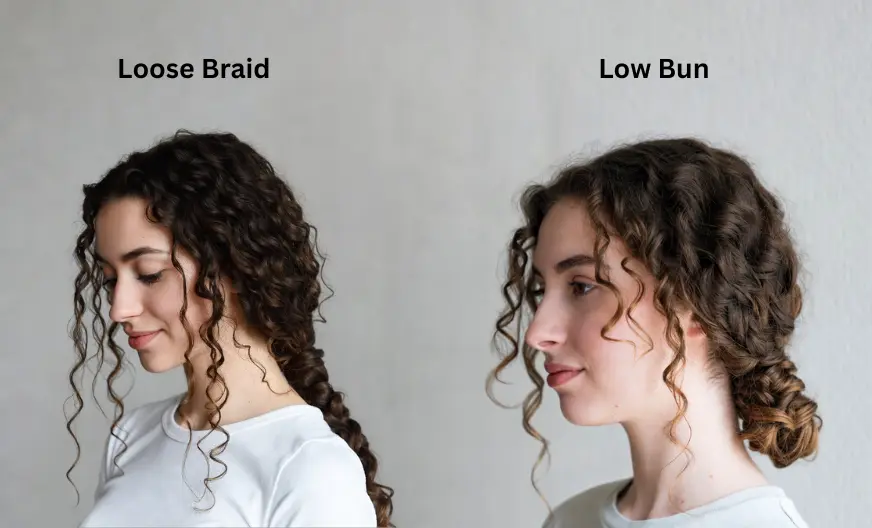
A small amount of leave-in cream on the lengths and ends keeps curls soft. Always wear hats that are slightly loose. When taking the hat off, shake or finger-comb the curls to bring them back to shape.
No matter your hair type, the key is simple. Prep your hair, use a style that works for your hair, and make small adjustments.
Do this, and your hair will survive any hat.
Hairstyles That Actually Work Under Hats
The mistake we see again and again is this. People try to make their hairstyle fight the hat.
That never works.
Your hair needs to sit in a way that lets the hat rest naturally.
Here’s what actually works in real.
Low Ponytail
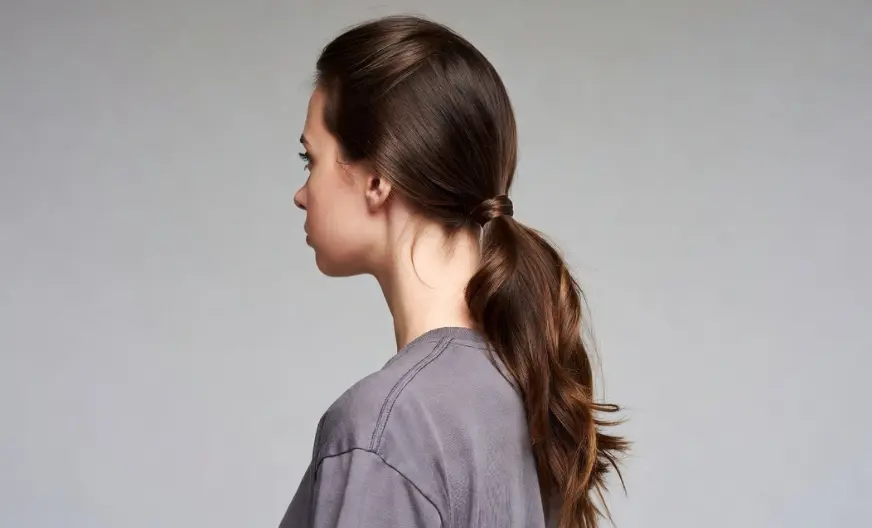
This is the safest option. We recommend it all the time. The key is placement.
Keep the ponytail low, close to your neck. If you tie it too high, the back of the hat lifts up and looks wrong. If the hat feels tight or keeps moving, your ponytail is too high.
Drop it lower, and the problem disappears.
Loose Hair
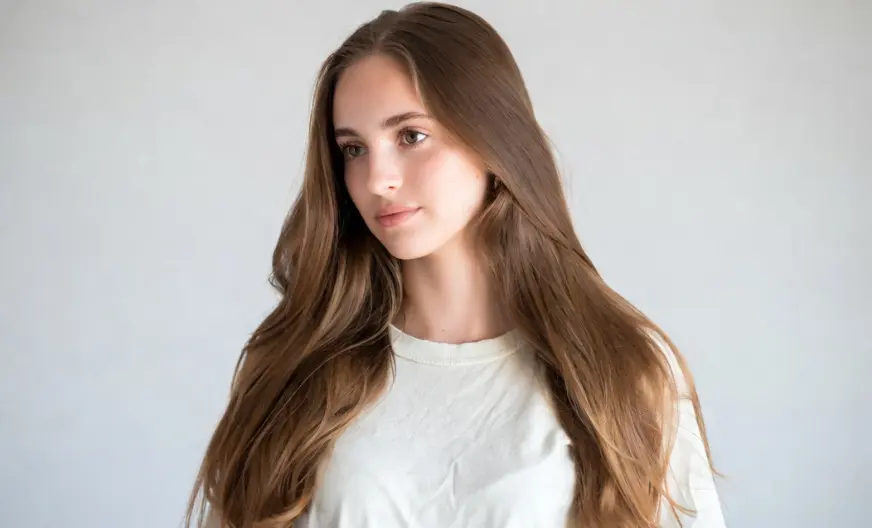
Loose hair works, but only if you slow down for a second. Fix your part first. Smooth the top with your hands.
Then place the hat gently on your head. Do not push it down. When you force the hat, you crush the hair and create flat spots right away.
Braids
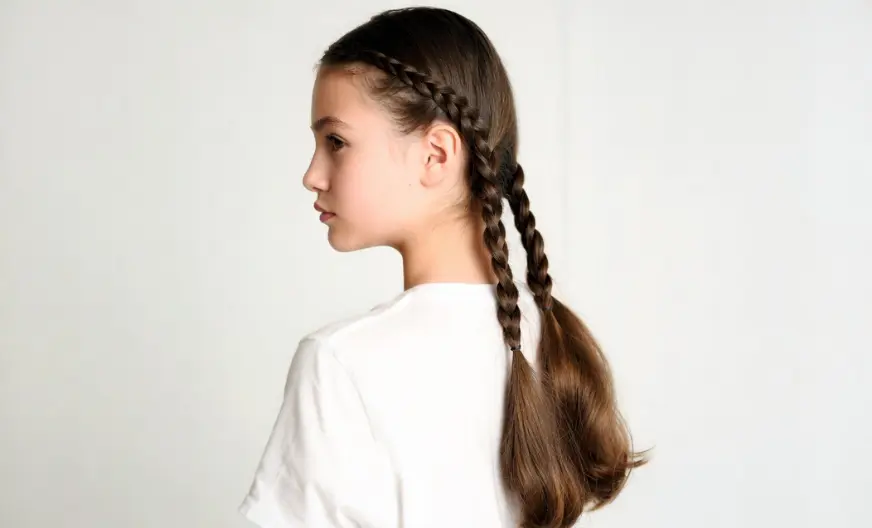
Braids make life easier with hats. A single braid down the back works with almost any hat. A side braid is useful when the back feels crowded.
Keep the braid relaxed. Tight braids plus a hat lead to pressure and discomfort fast.
Low Bun
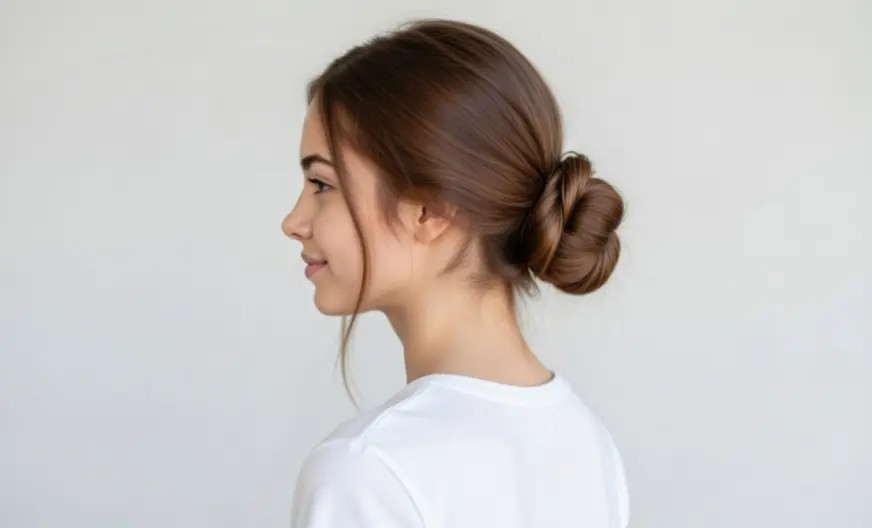
This only works if the bun is small. A big bun pushes against the hat and ruins the fit. If you feel pressure at the back of your head, the bun is too bulky.
In that case, switch to a ponytail or braid instead of forcing it.
Half Up Style
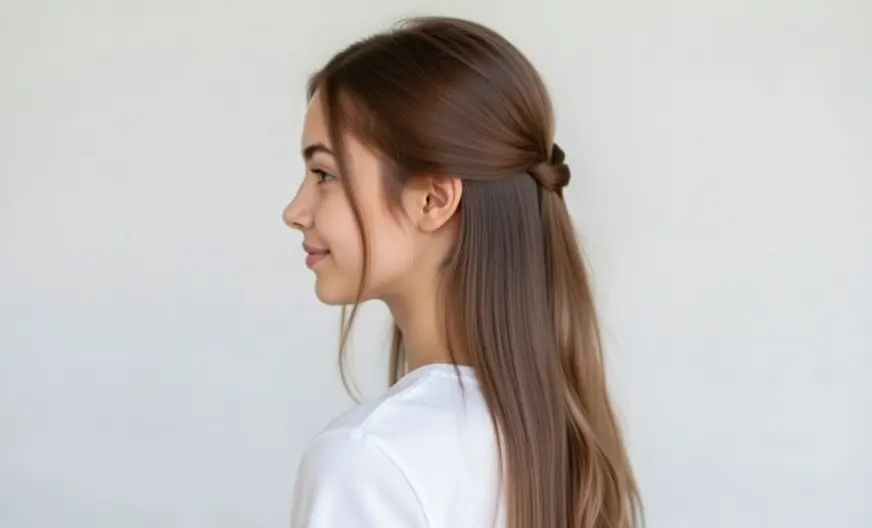
This style frames the face nicely, but it needs the right placement. Keep the tie lower than you think. If the tie sits too high, you will feel it as soon as the hat goes on.
Comfort always matters more than the look here.
Side Ponytail
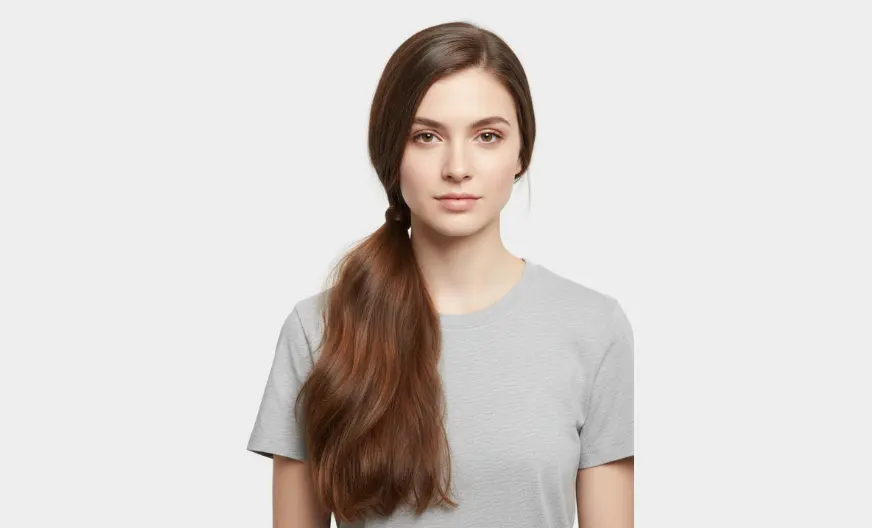
This is a great option when nothing feels right at the back. Move the ponytail to the side, and the pressure disappears.
The hat sits better, and your hair stays relaxed. It is simple and very practical.
One thing we always tell people. Hats do not like stiff or forced hairstyles. The more relaxed your hair is, the better the hat will sit.
If you feel discomfort, something is wrong. Fix the hairstyle instead of adjusting the hat again and again.
Next, the real game-changer is knowing which hats work best with long hair and which ones cause problems. That is where most people get stuck.
Best Hats for Long Hair (And Which Ones to Avoid)
Some hats work with long hair without much effort. Others fight it the whole time. We’ve seen people blame their hair, their weather, even their mirror.
Most of the time, it’s just the wrong hat.
Let’s go through them one by one.
Baseball Caps
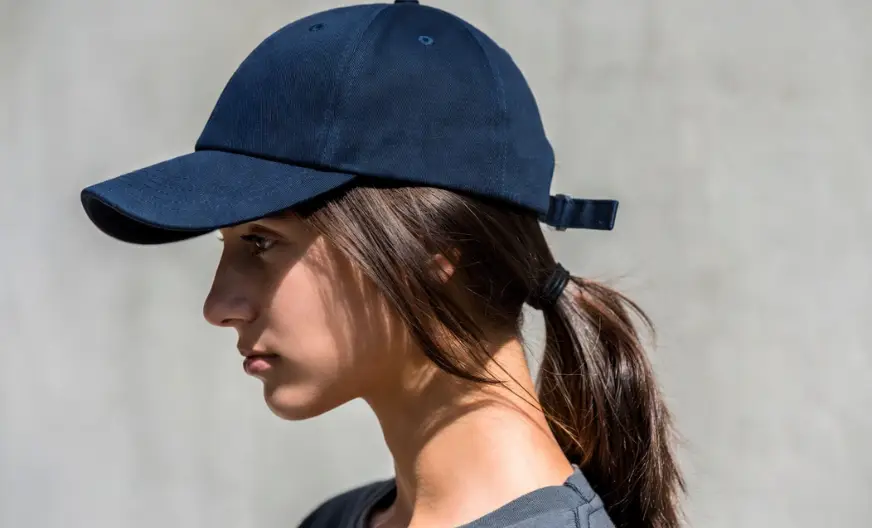
Baseball caps work if they are adjustable. Keep the strap a little loose so your hair has space.
Tight caps press down on your hair and flatten it. If the back lifts or your hair gets squashed, your cap is too tight, or your hairstyle is too high.
Dad Hats
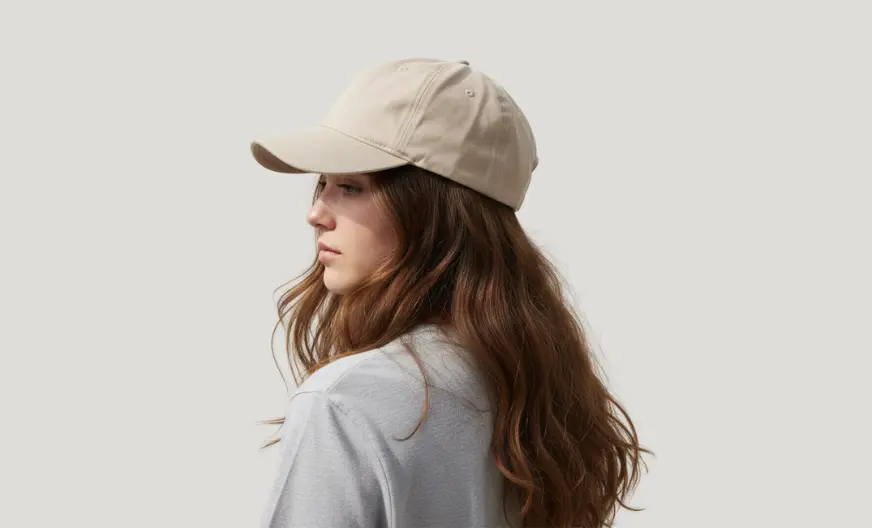
Dad hats are one of the easiest options for long hair. Because they are softer and structured, they sit more naturally on the head without applying harsh pressure.
Unlike stiff caps, they do not fight your hair’s volume, making them a safe and comfortable choice for daily wear.
Trucker Hats
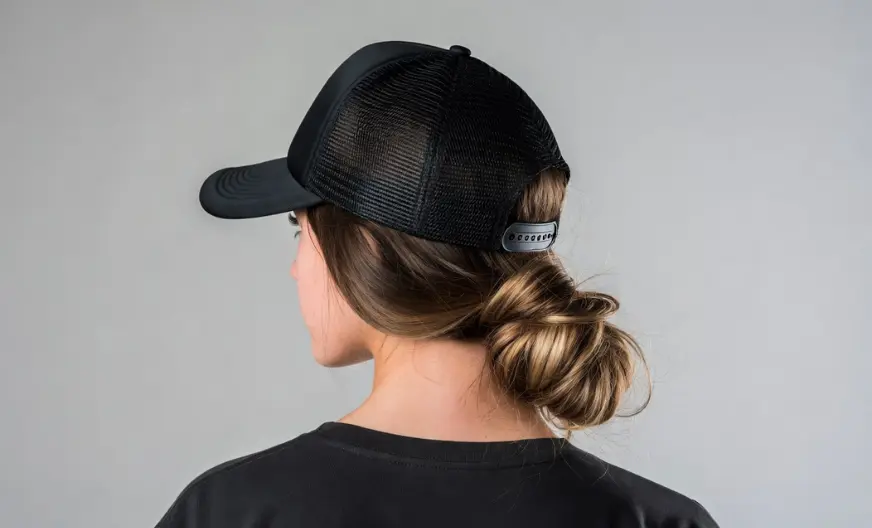
Trucker hats are tricky. The stiff front does not work well with long hair for most people. They also tend to sit higher on the head, which can make your hair look odd underneath.
If you like trucker hats, go for a looser fit and avoid tight hairstyles.
Beanie Caps
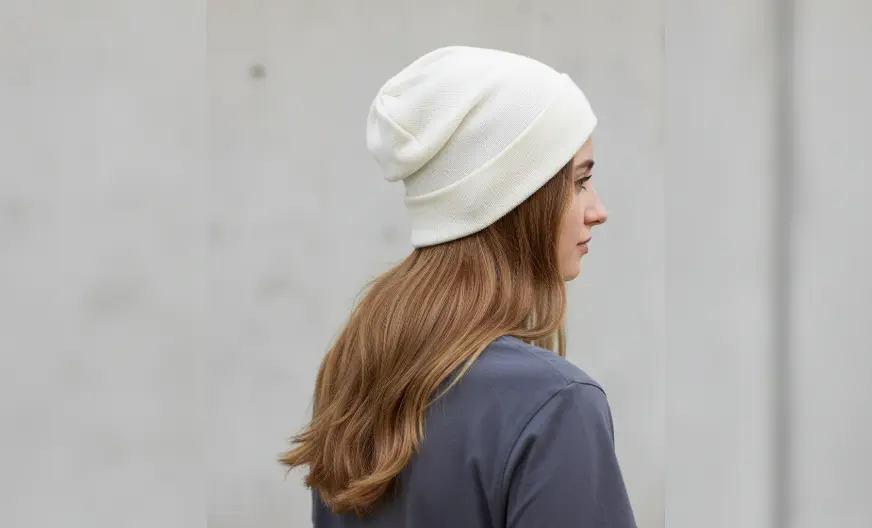
Beanies can work, but only if they are light and not tight. Thin beanies sit better and do not crush your hair as fast. Thick or stiff beanies flatten everything and feel annoying after a few minutes.
If your beanie feels tight the moment you put it on, skip it. It will only get worse.
Bucket Hats

Bucket hats are great for long hair. They sit evenly and do not squeeze the sides of your head. Your hair can fall naturally around your face and neck.
This is one of the easiest hats to wear if you want comfort and less hat hair.
Berets

Berets are hit or miss with long hair. They can look nice, but they need some adjustment. Wear them slightly to one side and keep your hair relaxed.
If you try to place it perfectly flat, it usually looks forced.
Fedoras
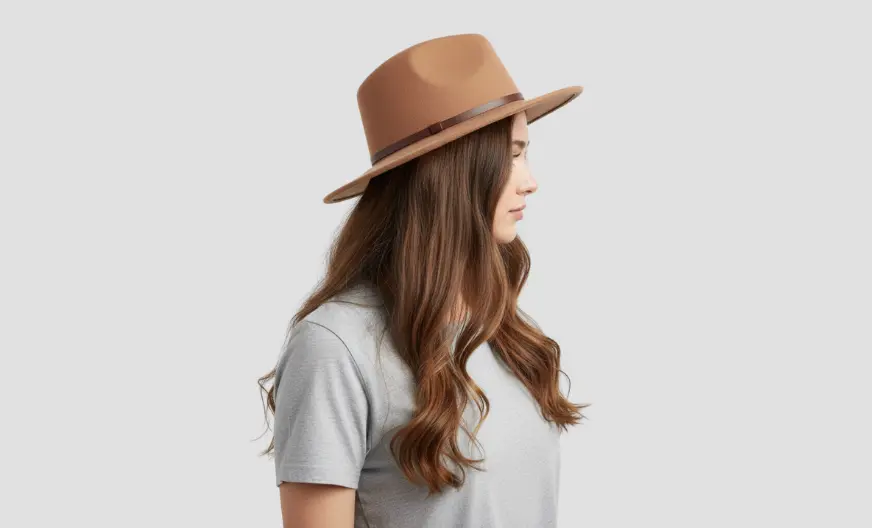
Fedoras can look good with long hair, but fit matters a lot. If the hat is too snug, it will flatten your hair quickly.
A slightly relaxed fit works better. Also, softer felt is easier to manage than stiff material.
Wide-brimmed Hats
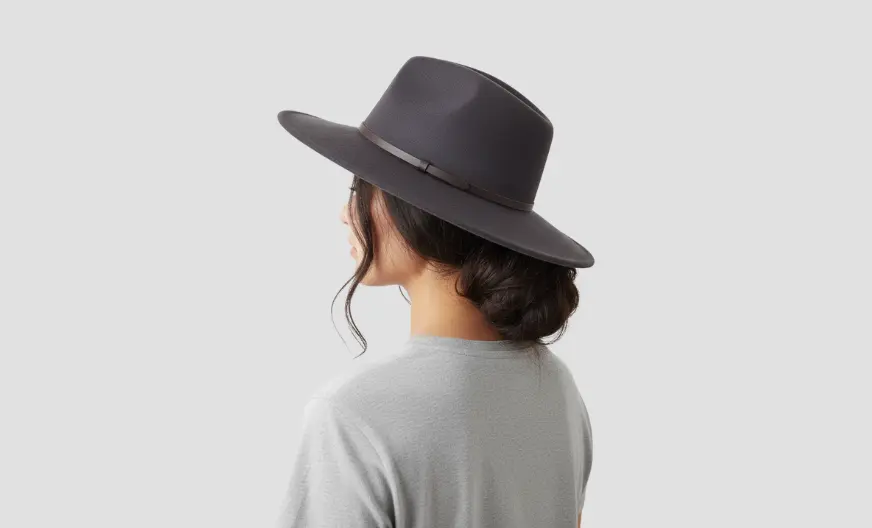
Wide-brimmed hats work very well with long hair. They balance the length of your hair and usually sit comfortably.
These hats are less likely to create pressure points. As long as the size is right, they are a solid choice.
Straw Hats

Straw hats are fine in warm weather, but watch the fit. Many straw hats are stiff and unforgiving. If it feels tight, your hair will suffer. Look for ones with a softer inner band so they sit better on your head.
One last thing. No hat will work if it is the wrong size, so make sure you know your correct hat size before buying or wearing one. If a hat feels uncomfortable right away, it is not the right hat for you.
Comfort always shows in the final look, even if people cannot explain why.
Hats to Avoid with Long Hair
Some hats just don’t play well with long hair. If you wear them, your hair will get flattened, frizzed, or feel uncomfortable fast.
Here’s what to watch out for.
Very Tight Caps
Any hat that feels snug the moment you put it on is a problem. Tight hats press down on your hair and flatten it immediately.
They also make your head sweat faster and can give you a headache. Skip them.
Heavy Synthetic Materials
Hats made from thick, stiff synthetic fabrics fight your hair. They don’t let it move, they crush volume, and they can trap heat.
Natural or lighter materials are much easier to wear with long hair.
Shallow Crowns
If a hat doesn’t have enough room inside, it will push your hair down or create bumps. Even a stylish hat can ruin your look if it sits too shallow. Always check how it fits your head and hair before buying.
Simple rule: If the hat feels tight, heavy, or cramped, don’t wear it.
Your hair—and comfort—come first.
How to Prevent Hat Hair with Long Hair
Hat hair is the biggest complaint we hear from people with long hair. The truth is, it’s not your hair’s fault. It’s usually the way the hat sits or how you prepare your hair.
Here’s what works.
Hat hair is one of the most common problems for people with long hair, but it’s not that hard to avoid.
First, make sure your hair is prepared before putting a hat on. If it’s too oily or flat, it will crease easily. A little dry shampoo at the roots helps, and for wavy or curly hair, a tiny bit of leave-in cream can control frizz. Straight hair can use a light texturizing spray so it doesn’t go flat.
Pick a hairstyle that sits low and relaxed. Low ponytails, loose braids, low buns, half-up styles—they all keep your hair out of the way and prevent bumps. Avoid high ponytails or big buns, because they push the hat up and leave marks.
When putting on the hat, don’t force it down. Let it rest naturally on your head. Tight hats crush your hair instantly, while a hat with a little room lets your hair move and keeps it looking good.
If flyaways or static are still an issue, a light mist of hairspray or an anti-static spray can help. Keep it minimal. You can also spray a small amount inside the hat. This reduces friction and keeps hair from sticking or puffing up when you take the hat off.
If your hair does get flattened, it’s easy to fix. Shake it out or finger-comb the roots and strands. A small spritz of water or texturizing spray can bring volume back without ruining your style.
Do that, and hat hair won’t be a problem.
Bonus Tip: If you wear hats for long hours and deal with frizz, a thin silk or satin scarf can help. Wearing it under your hat reduces friction, so your hair stays smoother. This works especially well for curly or wavy hair. It’s optional, but useful if hat hair is a daily issue for you.
Seasonal Tips for Wearing Hats with Long Hair
Hats act differently depending on the season.
In summer, humidity is the biggest problem. Hair frizzes, swells, and pushes against the hat. Even a well-done hairstyle can go flat or messy. The easiest way to handle this is to use a light leave-in or anti-frizz cream and pick hats that aren’t tight. Give your hair some space so it doesn’t get squashed.
In winter, static is the real enemy. Dry air and synthetic fabrics make hair stick to everything, including your hat. That makes it messy and frizzy the second you take it off. A little leave-in or anti-static spray helps a lot. Hats made from natural fibers like wool or cotton also create less static than synthetic ones.
Do that, and your hair will look good no matter the weather.
Your Turn: How Will You Wear Your Hat?
Alright, we’ve gone through how to wear hats with long hair, what hairstyles work, which hats to pick, and how to avoid hat hair.
Which tip from this guide are you going to try first: a low ponytail, a braid, or just picking a better-fitting hat?
Or maybe you have a trick you use that we didn’t mention. Leave a comment and let us know. We want to hear how you keep your hair looking good under a hat.
If you ever switch to shorter hair, check out our guide on how to wear a hat with short hair for practical tips that actually work.