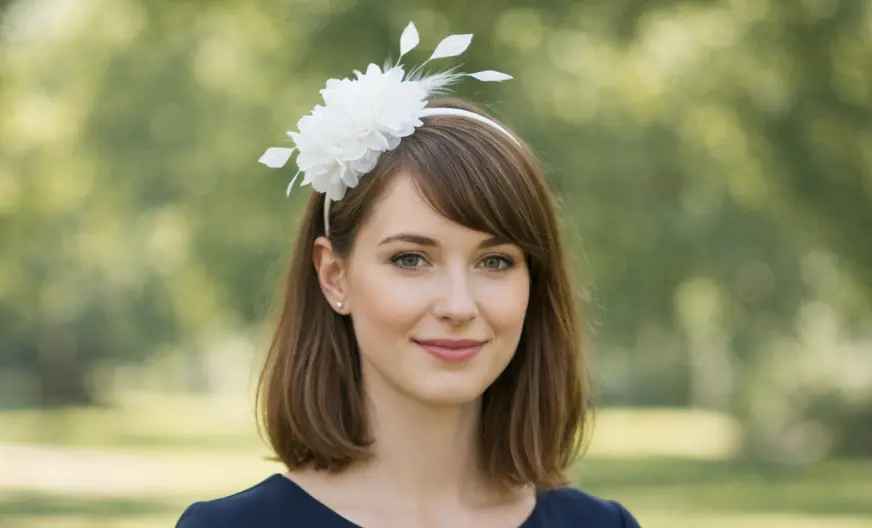
Wearing a fascinator often goes wrong. It slips, tilts, or looks out of place the moment you put it on.
You end up adjusting it all day, second-guessing your outfit, and worrying you chose the wrong style for the event.
This guide shows you exactly how to wear a fascinator so it stays secure, looks balanced, and works with your outfit, without the common mistakes most people make.
Let’s dive in.
Quick Start: How to Wear a Fascinator
Here’s an easy, straightforward way to put on your fascinator hat so it looks right.
1. Choose the right type of fascinator
Headbands are easiest for beginners. Clips and combs give a cleaner look but usually need a few pins.
Elastic bands go behind your ears and work well with updos or long hair.
2. Decide which side and angle looks best on you
Most fascinators look good on the right side with a slight tilt, but the main goal is comfort and balance.
Pick a spot that works with your face shape and outfit.
3. Prepare your hair so the fascinator stays in place
Second-day hair grips accessories better. Lightly tease the area where you’ll place the fascinator and use a little hairspray for extra hold.
4. Place the fascinator and pin it for stability
Set the fascinator in your chosen spot. If it feels loose, add a couple of bobby pins. Move your head gently to make sure it won’t slip.
5. Match size to occasion and outfit
Small fascinators are subtle, medium is safe for most events, and large make a statement but needs carefull placement and extra pins.
How to Choose the Right Fascinator
Before you wear a fascinator, you need to choose one that actually suits you.
1. Select the Right Type and Attachment
The way a fascinator attaches to your head matters more than most people think. If the attachment is wrong, it will slip, tilt, or feel uncomfortable all day. This is usually where things go wrong.
Headband Fascinators
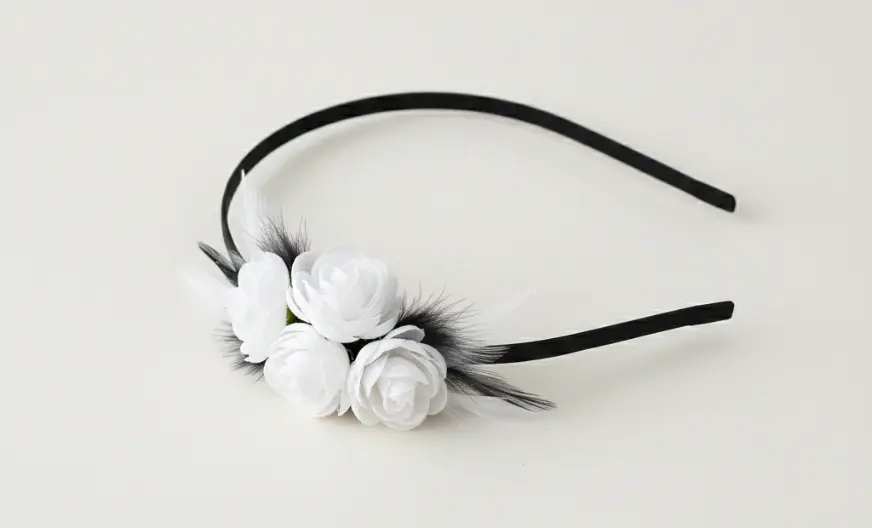
These are the easiest to wear. You put them on like a normal hairband. They sit well, feel stable, and do not need pins.
If this is your first time wearing a fascinator, start here. They work with most hairstyles and are hard to mess up.
Clip Fascinators
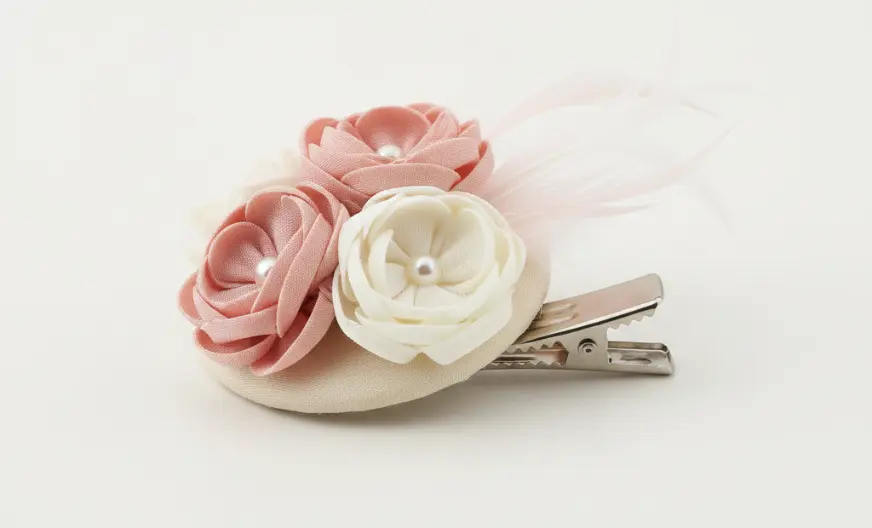
Clip fascinators attach directly to your hair. They work best if you have thick hair or your hair is styled up.
If your hair is fine or slippery, the clip alone is not enough. We always secure them with one or two hairpins so they stay in place.
Comb Fascinators
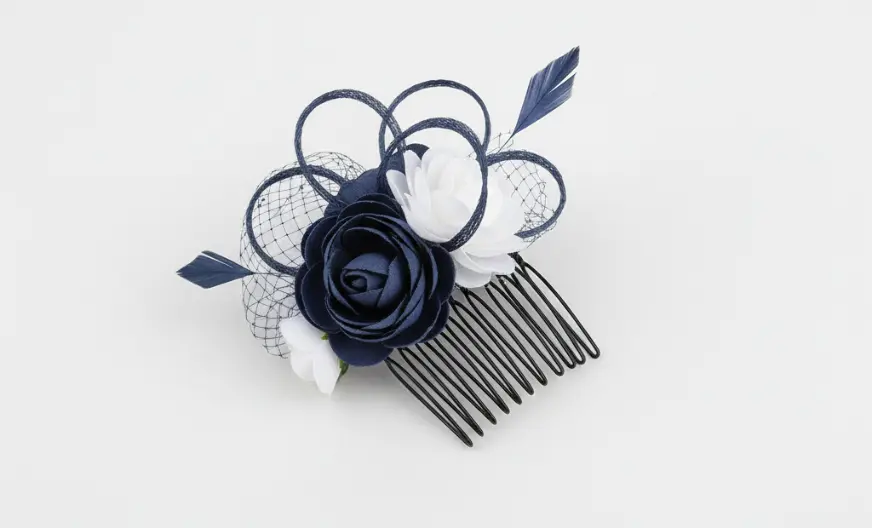
These slide into your hair like a comb. When placed correctly, they hold well. They are common for weddings and formal events.
If your hair is very soft or fine, add hairpins for extra hold. Do not rely on the comb alone.
Elastic Band Fascinators
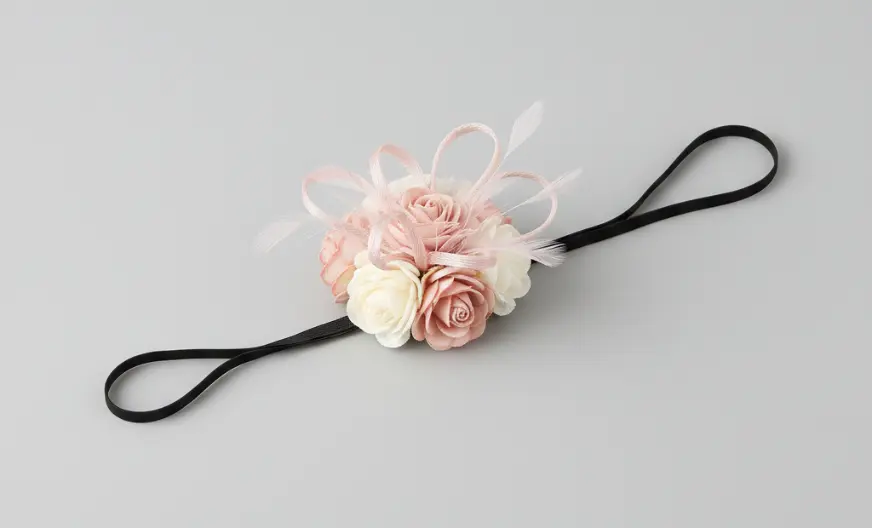
These have a thin elastic that goes under your hair, usually behind the ears. The elastic stays hidden and gives strong support.
This type is very secure and works well with long hair, buns, or low updos. If you want something that will not move, this is a good option.
2. Consider Your Face Shape
Face shape helps decide whether a fascinator looks balanced. This is not about strict rules.
It is about avoiding placements that look awkward or heavy on one side. If you’re not sure about your face shape, you can use our face shape calculator to get a quick idea before choosing a style.
Round Face
If your face is round, avoid small fascinators placed right on top of your head. They make the face look fuller.
Go for a piece with a bit of height or angle. Wear it slightly to the side. This adds length and looks more balanced.
Long Face
If you have a long face, avoid tall fascinators. They make the face look even longer. Wider styles work better.
Place the fascinator more to the side rather than high on the head. This helps soften the overall look.
Oval Face
This is the easiest face shape to work with. Most styles look fine. You can wear your fascinator on the side or slightly forward.
Just avoid extremes like very large pieces unless the event calls for it.
Square Face
Strong jawlines look best with softer shapes. Avoid very sharp or stiff designs. Look for curved styles, feathers, or loops. Place the fascinator slightly off-center to soften the face.
Heart-Shaped Face
If your forehead is wider and your chin is narrow, avoid heavy pieces placed too far forward.
Side placement works best. Medium-sized fascinators balance the face well without drawing too much attention to the top.
Diamond Face
This face shape suits side placement very well. Avoid wearing the fascinator too high or too tight on the head.
Softer designs with some width usually look the most natural.
3. Match the Fascinator to the Occasion
This is where most people get stuck. Not every event needs a big statement piece. Wearing the wrong style for the occasion is usually what makes a fascinator feel awkward.
Weddings
For weddings, keep it elegant and balanced. You do not need something huge unless the dress code clearly asks for it.
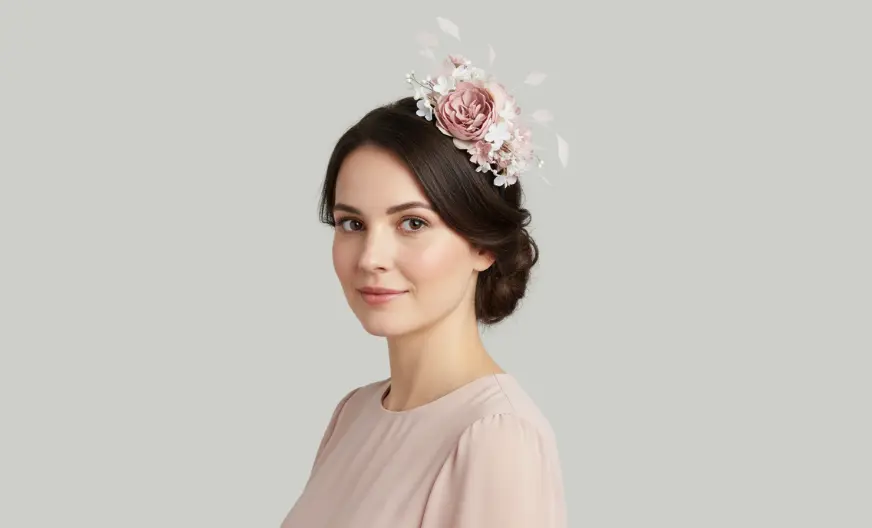
Small to medium fascinators work best. Soft colors, simple shapes, and clean designs are safer choices. If you’re a guest, your fascinator should not outshine the bride.
Church weddings usually call for something more classic. Outdoor or garden weddings allow a little more creativity, but still keep it tasteful.
Cocktail Parties
Cocktail events need something lighter. Think small, neat, and easy to wear. Headband or clip fascinators work well.
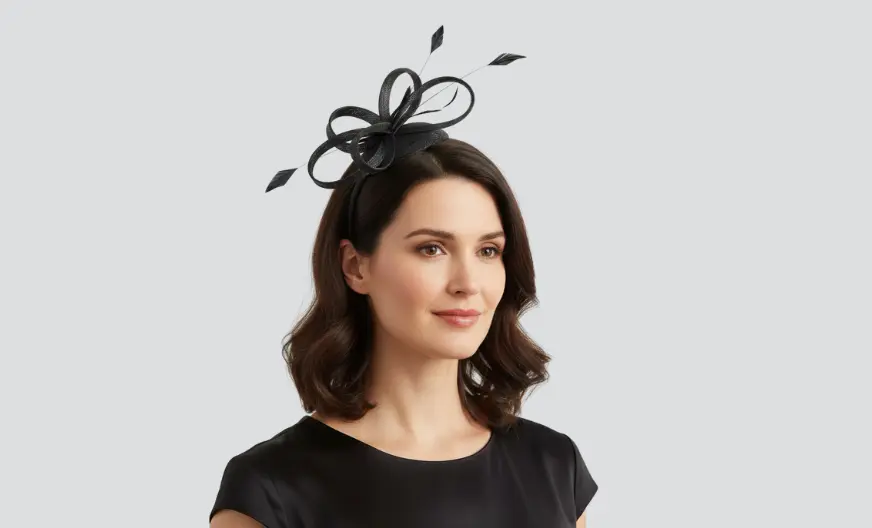
Avoid large bases or heavy decorations. You want something stylish that does not feel like a full hat.
Races and Derby Events
This is where fascinators are meant to stand out. Bigger styles, bold shapes, and more height are normal here.
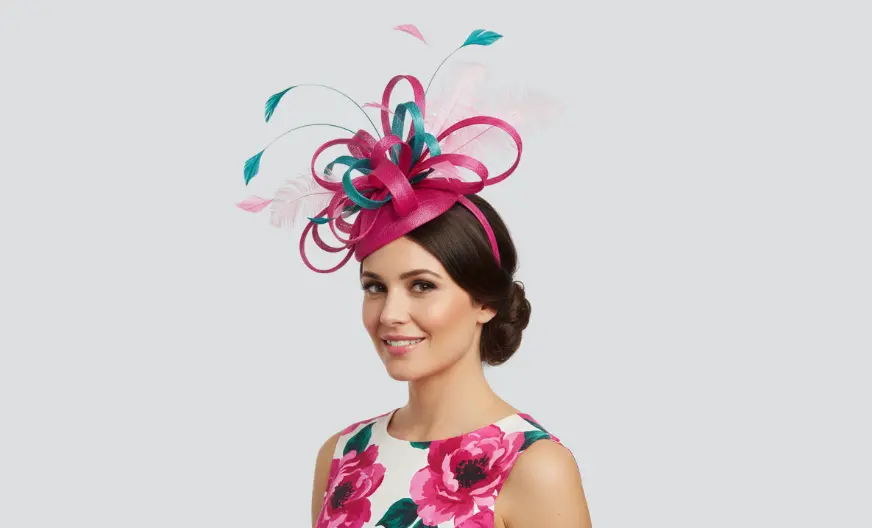
You can go wider, taller, or more dramatic. These events are about fashion, so a statement piece looks right, not overdone.
Garden Parties and Summer Soirees
These events suit softer and more relaxed styles. Floral designs, lighter fabrics, and breathable materials feel right.
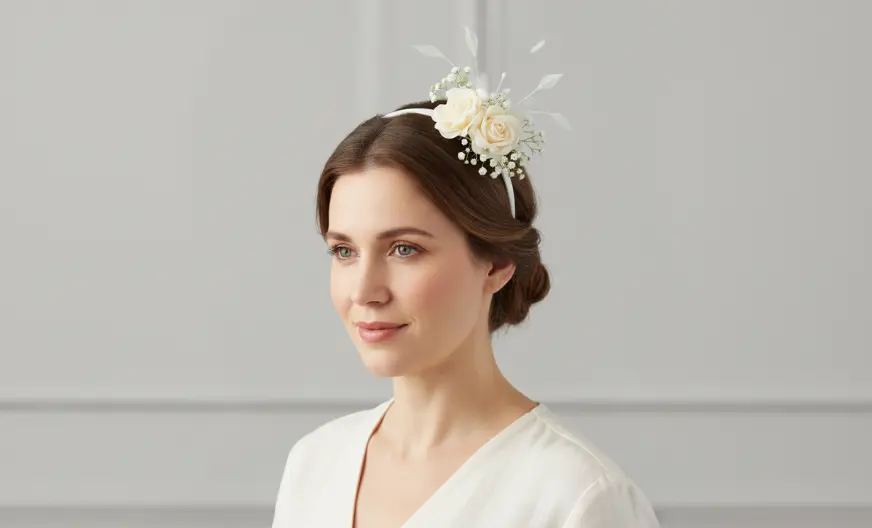
Avoid stiff or heavy fascinators. Comfort matters here, especially if you will be outside for a long time.
4. Coordinate with Your Outfit and Personality
Always choose your outfit first, then the fascinator. The hat should support the look, not compete with it.
If your dress is busy or patterned, keep the fascinator simple. If your outfit is plain, you can add a bit more detail to your head.
Do not try to match colors exactly. Stay in the same color family or use a neutral if you’re unsure.
Most important part. Pick a style that feels like you. If your clothes are relaxed and flowy, avoid stiff or very formal fascinators. If your style is clean and structured, stick to simple shapes.
If it feels uncomfortable or forced, it is the wrong choice.
Which Side Should You Wear a Fascinator On?
There is no strict rule. Most people put a fascinator on the right side. That’s traditional, but it doesn’t matter if it looks better on the left for you.
The side really depends on your hair and face. If you have an updo, putting it to the side keeps it stable and shows off your hair. If your hair is down, try it slightly tilted to the side rather than in the middle. It just looks more natural.
Also, keep photos in mind. Place it on the side that shows your best angles, so you feel confident and look good in pictures.
The key thing is comfort. If it feels like it’s slipping or sitting weird, move it. A fascinator should sit where it feels steady, not where a “rule” says it should be.
Step-by-Step Guide to Wear a Fascinator
Let’s go through exactly how to put your fascinator on so it sits well, stays in place, and complements your look.
Step 1: Prep Your Hair
Don’t try to put a fascinator on freshly washed hair. It slides too much. Second-day hair is easier to work with. Hairstylists recommend this because hair has a bit of natural grip and isn’t too soft.
If your hair is very soft, tease a small section where the fascinator will sit. You just need a little grip, not a ton of volume.
Quick Tip: Try the fascinator on before you do your hair. This way, you can see exactly where it sits and plan your style around it. It makes things a lot easier.
Step 2: Decide the Side and Angle
Think about placement. A lot of people put it on the right side by default, but it’s more about your hair and face than tradition.
If you have an updo, the side works best because it keeps the fascinator secure and shows off your style.
Hair down? Tilt it slightly to the side. It just looks more natural than smack in the middle. Comfort is key. If it feels like it’s slipping or sitting weird, move it.
Style experts at Cityline suggest that if your fascinator has a brim, tilt it slightly so it doesn’t cast a shadow on your face.
Don’t force it because some rule says so.
Quick Tip: If large fascinators feel tricky, go for a pillbox, disc, or teardrop style instead. They’re easier to wear and don’t need much adjusting.
Step 3: Place the Fascinator
Now that your hair is ready and you’ve decided which side to wear your fascinator on, it’s time to put it on.
This part is the most important because how you put it on depends on whether it is a headband, clip, or comb, and on your hairstyle.
Let’s see how you can wear each.
How to Wear a Headband Fascinator
A headband fascinator is the easiest option, which is why most beginners start here. You wear it just like a normal headband.
Just slide it over your head and place it where it feels natural, usually a little to the side. Do not place it straight in the center unless the design is very small.
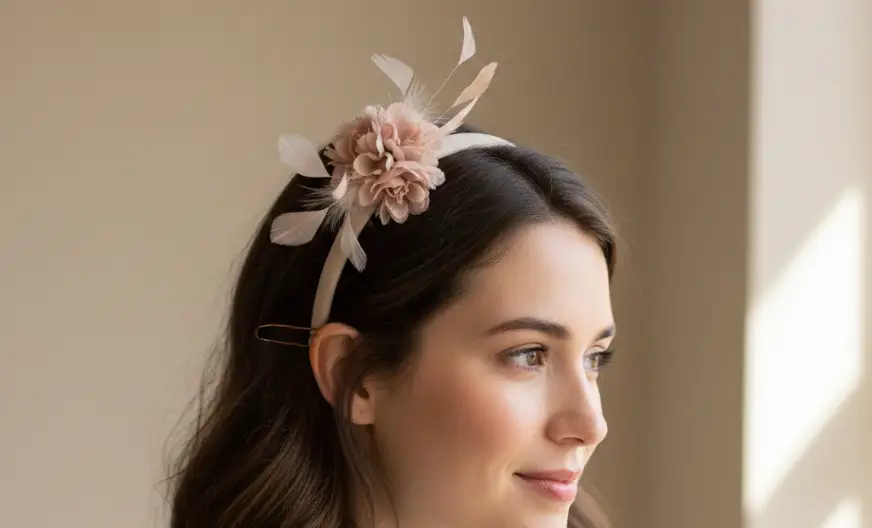
If your hair is soft or slippery, tease a small section where the headband sits so it has something to grip.
For heavier or more decorative fascinators, use one or two bobby pins near the sides of the headband. Make sure it’s not too tight or too loose. Move your head a little to check it stays in place.
The main thing is that it should feel comfortable and steady, not forced.
How to Wear a Fascinator Clip
Clip fascinators are very common, but beginners often struggle with them slipping.
First, open the clip and place it on a section of hair that has a bit of volume or texture. For fine hair, tease a small section first so the clip grabs properly.
Insert the clip at a slight angle rather than straight down; it holds better and looks natural.
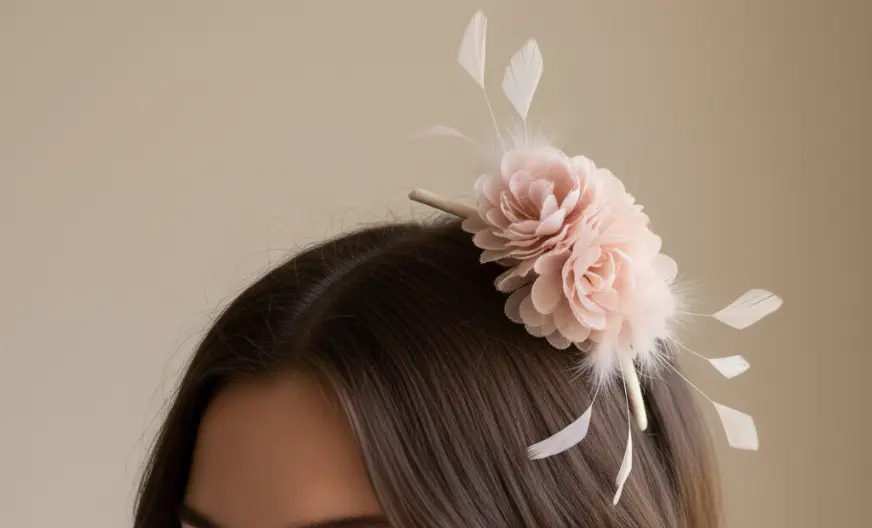
If the fascinator feels wobbly, slide a bobby pin underneath for extra support.
Check in the mirror to make sure it’s sitting flat and balanced with your hair and outfit.
How to Wear a Fascinator with Netting
Netting can be tricky, but it looks great when done right. Place the fascinator so the netting falls lightly over your forehead or eyes. Don’t pull it tight.
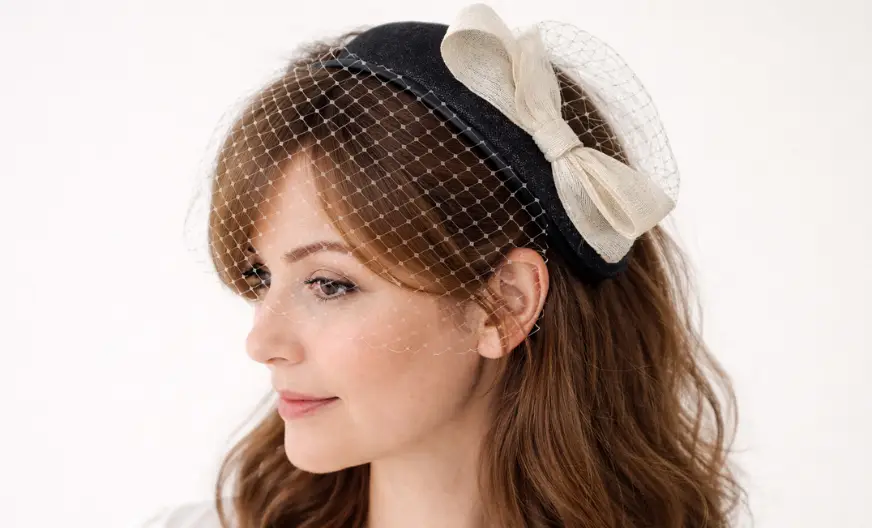
Make sure the headband, comb, or clip underneath is secure so it won’t move. If it feels loose or slips, add a pin hidden under your hair for extra hold.
Adjust the netting in front of a mirror so it sits neatly and frames your face.
Step 4: Secure It
After that, test it. Move your head around a bit. If it shifts, tweak the angle or add a pin.
You want it to feel steady without having to adjust all day. Use a little hairspray if needed, but don’t overdo it.
Step 5: Check Balance and Look
Look in the mirror. Make sure it’s balanced with your hairstyle and outfit. Smooth any flyaways, but don’t fuss. A properly placed fascinator should look effortless.
Step 6: Leave It Alone
Finally, once it’s set, don’t touch it. You should be able to sit, walk, and talk without thinking about it all day. A good fascinator stays where it should.
Here’s a quick video showing these steps in action so you can see exactly how it’s done.
Quick Tip: If you’re petite, don’t go for the big, tall ones. They just swamp your look. Stick to small or medium pieces. They sit right, feel balanced, and actually make your outfit look good.
But once the basics are done, the hairstyle you choose starts to matter.
How to Wear a Fascinator with Different Hairstyles
You can’t wear a fascinator the same way with every hairstyle. This part shows what works for each.
Long Hair
If your hair is long, you have a lot of options. Headbands sit nicely, but tilt them slightly to the side so they don’t slip.
Clips and combs work well, too, but tease a little hair underneath first so they hold better.
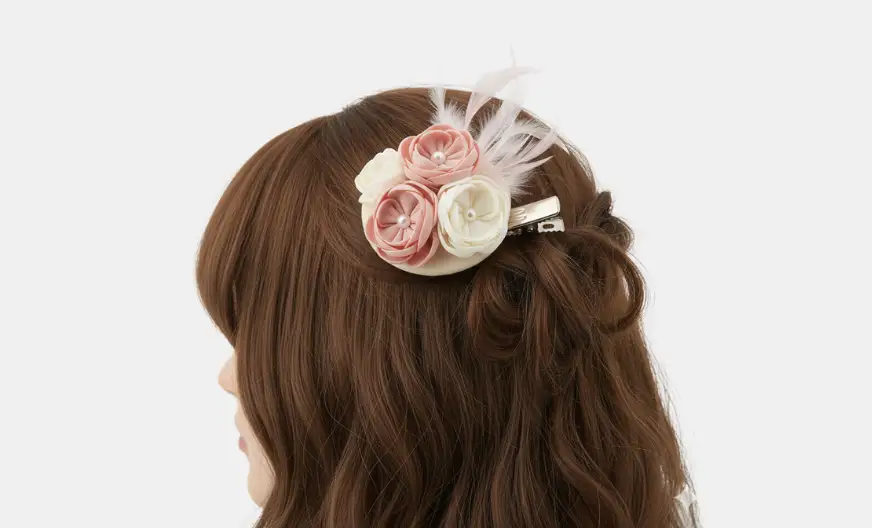
A couple of pins can keep heavier pieces steady. Avoid putting a big fascinator straight on top; it usually slides or looks awkward. If you struggle to wear a hat with long hair, this guide helps.
Short Hair
Short hair needs a bit of planning. Headbands are easiest, and clips or combs can work if you place them at an angle. Backcombing a tiny section helps fine hair grip the piece.
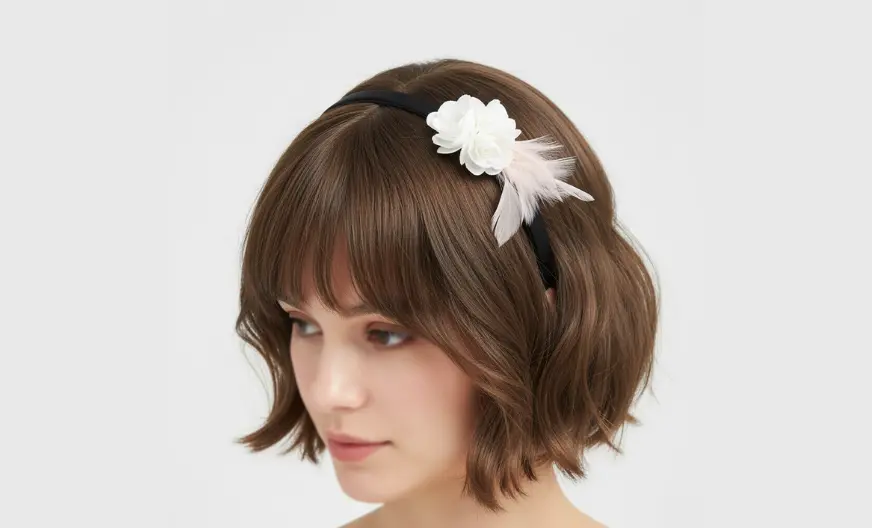
Large fascinators can be tricky, so stick to smaller or medium pieces unless you use extra pins. If you also wear hats with short hair, this guide can help.
Fine Hair
Fine hair can’t hold a fascinator on its own. Comb styles grip better, especially if you tease the hair a little. Clips with teeth or a firm headband work too.
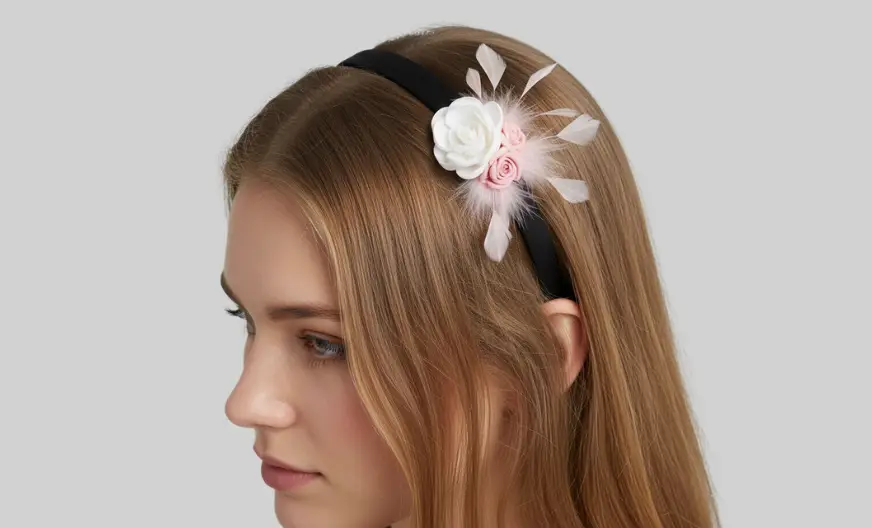
Bobby pins are your friend here. Move your head a bit to make sure it won’t slide before you step out.
Hair Down
When your hair is down, pick a smaller or medium fascinator. Place it slightly to the side, not in the middle.
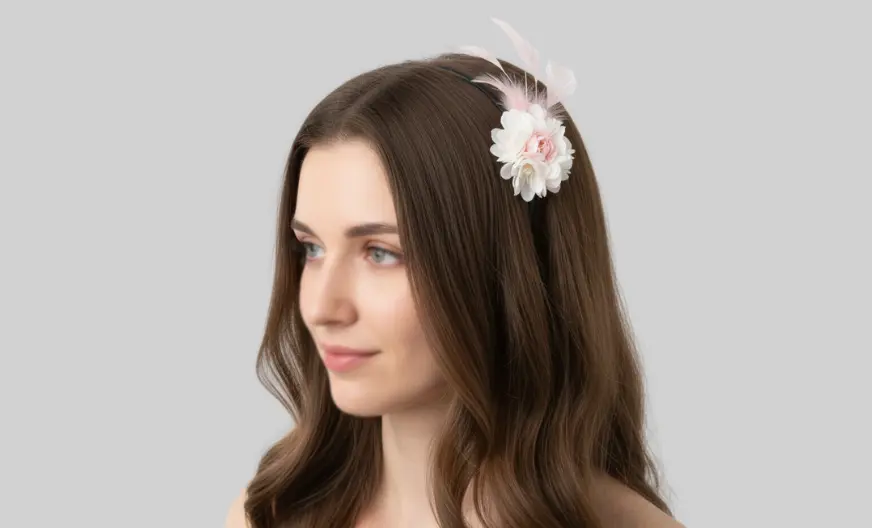
Clips and combs are best, and a pin or two hidden under your hair helps it stay put. Big pieces usually slip or get tangled in loose hair.
Updos & Buns
Updos are perfect for holding a fascinator. Place it just to the side of your bun or slightly above.
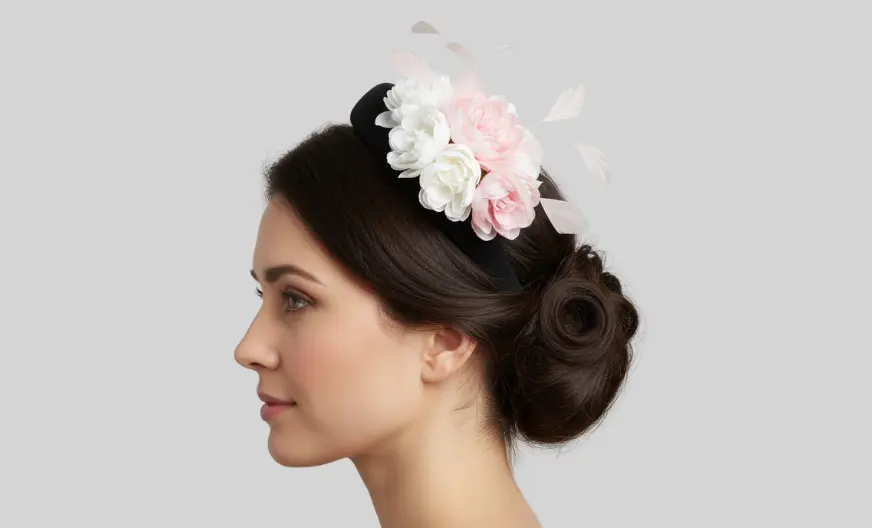
Combs or clips grip easily, and headbands can work if you secure them over the bun. For larger pieces, add a few pins to make sure nothing moves.
Soft Curls and Side-Swept Styles
Follow the flow of your curls or side-swept hair. Place the fascinator just above the temple, slightly tilted to match the hair’s line.
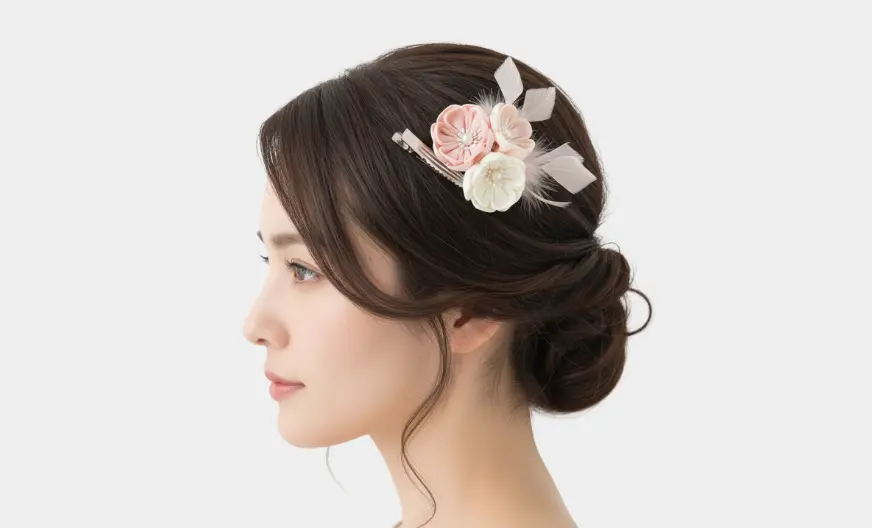
Combs slide in easily, and pins help them stay. Avoid putting it on loose strands—they’ll make it wobble or fall.
Bob Hair
Bob haircuts are short, so fascinators need a bit of planning to stay in place. Headbands work well, but choose a thinner one so it doesn’t slip off the shorter layers.
Clips and combs can hold too, but place them at a slight angle and add a little texture or tease to the hair first.
For placement, keep it simple. Place the fascinator slightly in front of your ear on the side that looks best. Slide a clip or comb under a small section near the top, back part of your head, just above where your head starts to curve down toward the back.
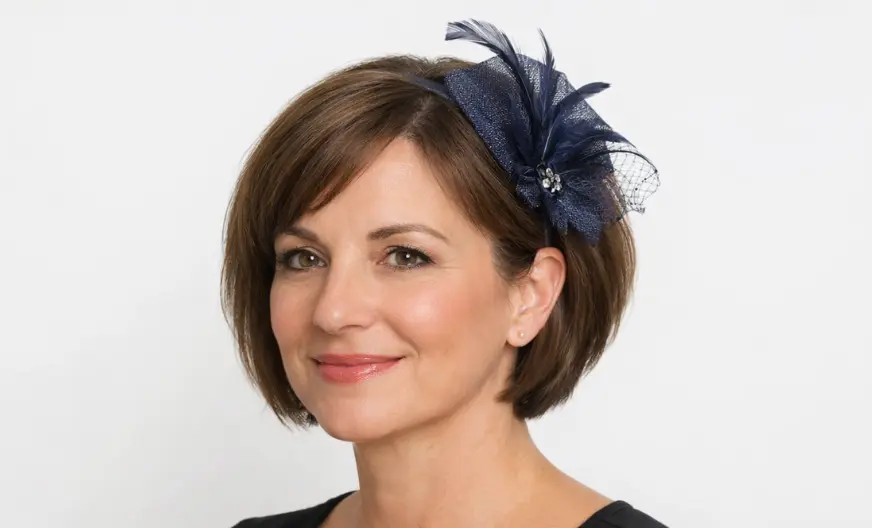
If your bob is very short, a headband often works better. Push it slightly back so it stays in place. Add a bobby pin behind the piece if it feels loose.
Check in the mirror to make sure it sits flat and doesn’t tilt, and balances with your hairstyle.
That’s it—you’re ready.
But what if you want a more casual look? The rules change a little.
What’s the Best Way to Style a Fascinator Casually?
First thing. Most fascinators are not meant for casual wear. That’s the truth. If you want a casual look, you have to choose the right type.
Go for a small fascinator.
Nothing tall. Nothing wide. No heavy feathers. No shiny stones.
A simple shape with light net or fabric works best.
Place it on the side of your head, never in the center. The center looks formal and stiff. A slight side position looks relaxed and natural.
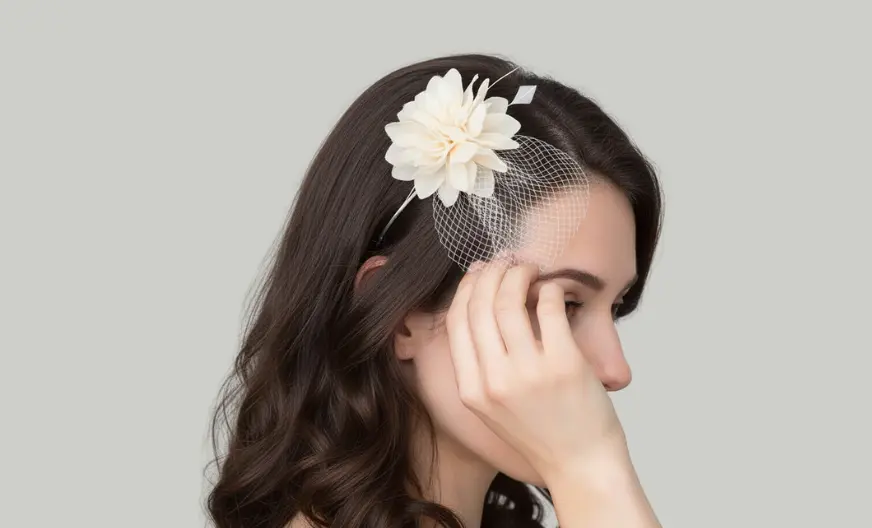
Keep your hair simple. Loose hair, soft waves, or a low bun works well. If your hair looks overdone, the fascinator will look wrong no matter what.
Now look at your clothes. Casual fascinators only work with simple outfits. A clean dress. A blazer with jeans. A plain top and skirt. If your outfit is busy, the fascinator will feel out of place.
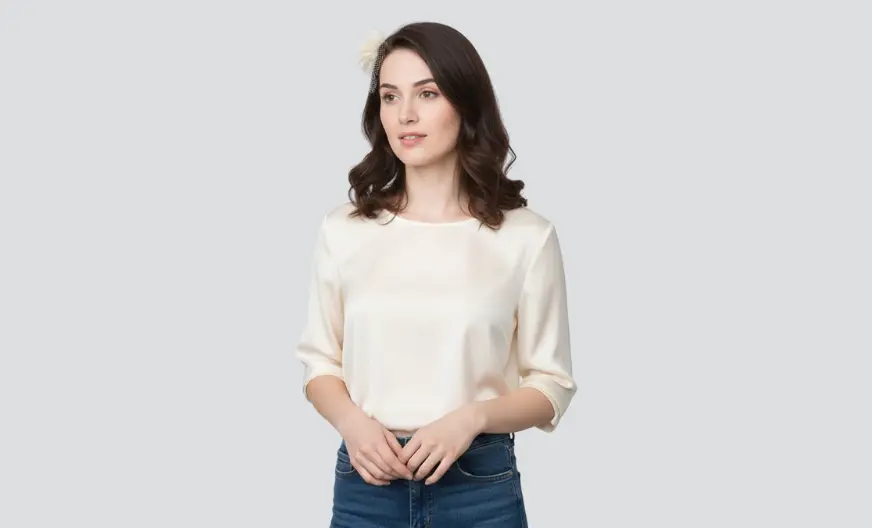
One easy check. If the fascinator feels like too much for what you are wearing, it is not casual. Casual should feel easy, not planned.
Fascinator Etiquette
- Don’t wear a piece bigger than your outfit or the event. Small to medium fascinators usually look best for weddings and casual events.
- If you’re at a wedding, never wear a fascinator that outshines the bride. Stick to simple and elegant designs.
- You can usually leave your fascinator on during a church ceremony, but if it feels too tall or intrusive, take it off. Small pieces are fine to keep on at receptions and indoors.
- Match the fascinator to the formality of the event.
- Avoid wearing it in very casual settings unless the dress code allows.
- Once it’s in place, don’t keep fiddling with it.
- Make sure your fascinator hat doesn’t block your face or others’ view in photos.
Fascinator Mistakes That Make You Look Off
A lot of people put a fascinator straight on top of their head, and it just looks off. It almost always works better a little to the side.
Another thing we see all the time is picking the wrong size. If it’s too big, it can drown your outfit. Too small, and it just disappears. Medium usually works best for most people.
Not securing it properly is a big one. If it slides or tilts, you’ll spend the whole event fixing it. Make sure you use pins, combs, or whatever attachment works with your hair.
Matching it badly with your outfit is also common. It doesn’t have to be the exact same color as your dress, but it should complement something, like a shoe, bag, or accessory.
And finally, think about the event. Wearing a huge, fancy fascinator to a casual outdoor party looks odd, and a tiny, plain one to a wedding can feel underdressed. Always aim for balance with the occasion.
Fascinator Care and Storage
Fascinators are delicate. Always pick up your fascinator by the base or the headband. Don’t grab the feathers or decorations because they bend and can break.
If it gets dusty, just use a soft brush or a lint roller. For fabric parts, lightly dab with a damp cloth. Feathers need a gentle touch, brush in one direction only. Beads or sequins? Use a cotton swab carefully; don’t soak them.
After wearing it, put it in a box, on a hat stand, or in a proper hat container. Wrap any delicate bits in tissue paper so nothing gets crushed. Don’t hang it, it will lose shape. Keep it somewhere dry and away from sunlight.
Treat it like this, and your fascinator will last a long time without looking messy.
Now You’re Ready
You know how to choose, position, and wear a fascinator so it stays in place and looks right.
Which tip from this guide are you going to try first?
Try it at your next event, and leave a comment below to let us know how it went or if you have a favorite trick that works for you.
Want to avoid a hat disaster? See our guide on how to wear a hat the right way.