
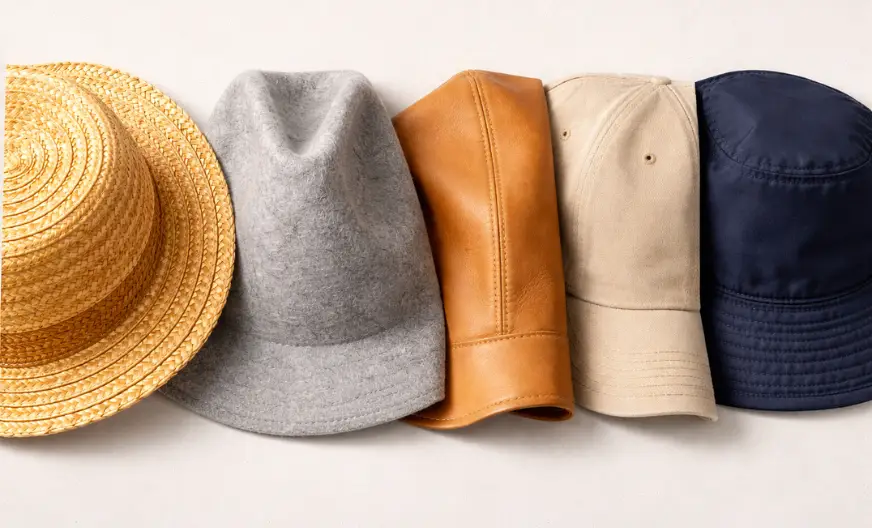
Not every hat works in every type of weather.
In the summer, some hats make your head feel hot and sweaty. In the rain, some hats absorb water and become heavy. In cold air, the wrong hat can make you feel even more uncomfortable.
This usually comes down to the material of the hat.
Cotton, straw, wool, felt, and leather all react differently to heat, rain, and cold.
This guide explains the most common hat materials, how they work in different weather, and which ones are best for your needs.
By the end, you will know how to choose a hat that really works for you.
What Are Hat Materials and Why They Matter
Hat materials are the fabrics or natural materials used to make a hat. They affect how a hat feels, how it handles sun, rain, or cold, and how long it lasts.
Common materials include cotton, straw, wool, felt, leather, and some synthetics.
Each works differently. Some let air pass through to keep you cool. Some hold heat for cold weather. Some handle rain well, while others lose shape when wet.
Choosing the right material makes a hat comfortable and practical for the weather or activity you need it for.
If you’re new to hats, see what a hat is and why people wear it. This will help you choose materials confidently.
Types of Hat Materials
Hats are made from different materials, and each one works in its own way.
To keep things clear, we’ve grouped them into natural, synthetic, and blended types, so it’s easier to see which materials suit your weather and daily use.
Natural Hat Materials
Natural hat materials come from plants or animals. These include cotton, wool, felt, straw, and leather. They feel more natural on the head but react differently to heat, moisture, and wear.
Cotton
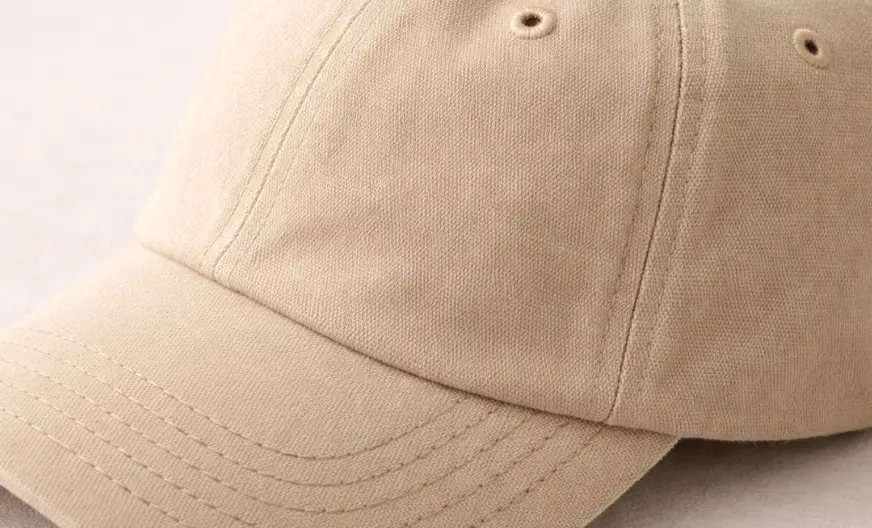
Cotton is a natural, soft, and lightweight fabric. It feels comfortable on your head even in hot weather.
It absorbs sweat, so your head can get damp, but it dries faster than heavier fabrics. Cotton hats hold up well under regular use, though they won’t last as long as leather or wool if used heavily.
They are best for summer, casual wear, and long hours outdoors. The downsides are that they don’t keep warm in cold weather and aren’t good in heavy rain.
Wool
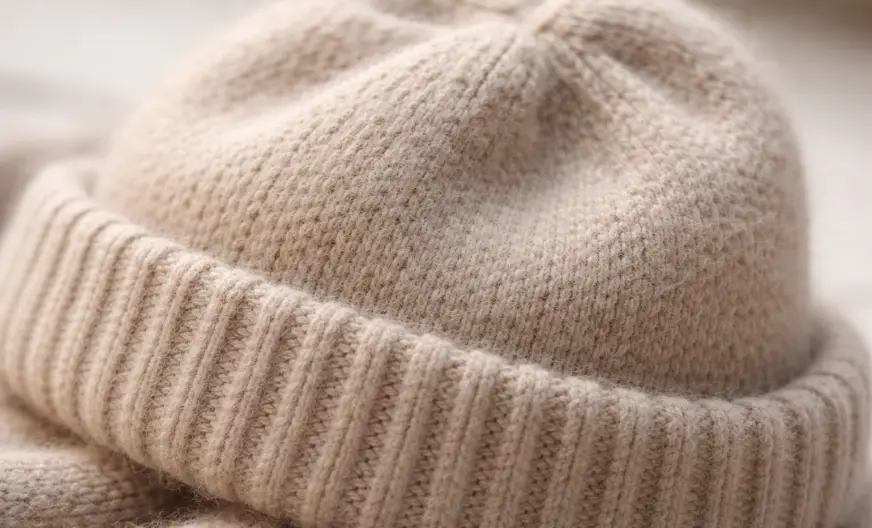
Wool is a natural fiber. It feels soft and keeps your head warm. It lets a little air through, so it’s not stifling in winter.
Wool can handle light rain or snow, but gets damaged in heavy rain. It lasts a long time and holds its shape. Wool hats are best for winter, outdoor work, or hiking in cold weather.
The limitations are that it can be itchy for some people and isn’t good in hot weather.
Felt
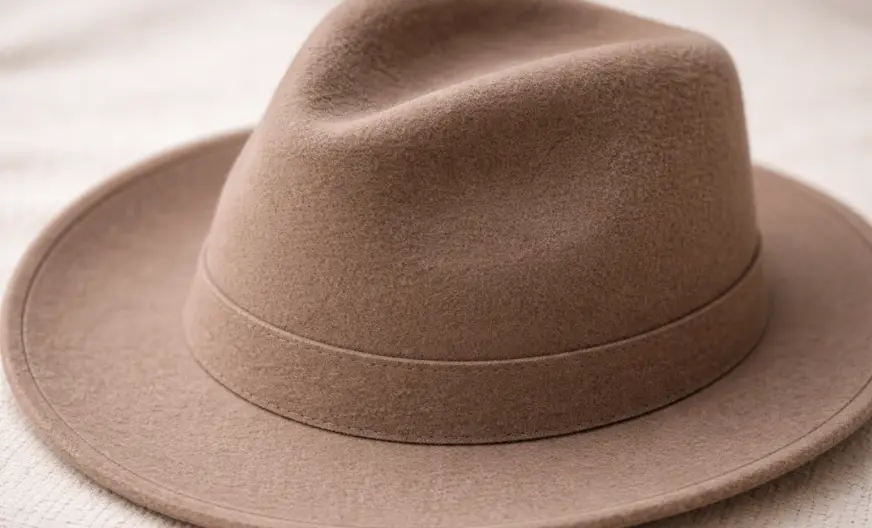
Felt is made by pressing fibers together, usually wool or fur. It keeps heat in and holds its shape well. It isn’t very breathable, so it can feel warm in hot weather.
Felt can handle light moisture, but heavy rain can shrink or deform it. It lasts long and is strong. It’s best for structured hats like fedoras or cowboy hats.
Things to watch out for: it gets warm in summer and can be damaged by water.
Straw
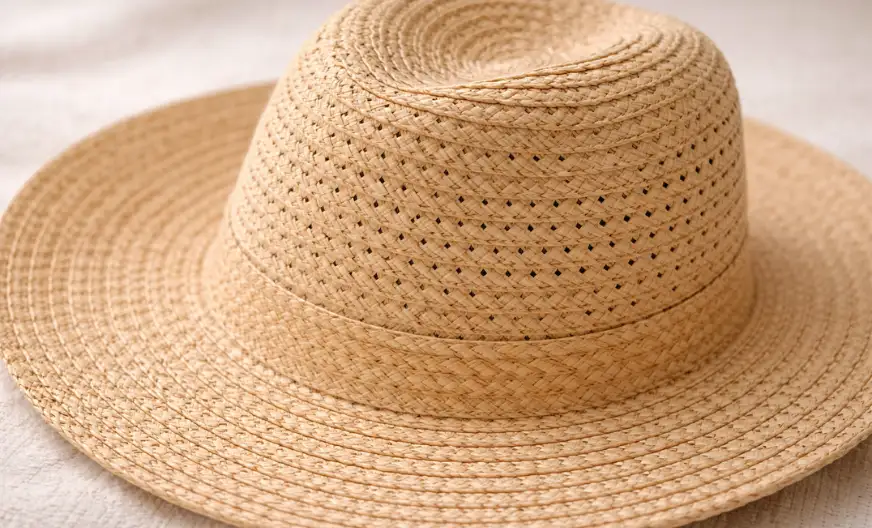
Straw is very light and breathable. It keeps your head cool in hot weather, making it perfect for sun hats, beach hats, and casual summer hats.
Straw does not handle water well; it gets soggy and can break if bent. Over time, straw can fray, so it’s for seasonal use.
It’s not warm, so not good for cold weather.
Leather
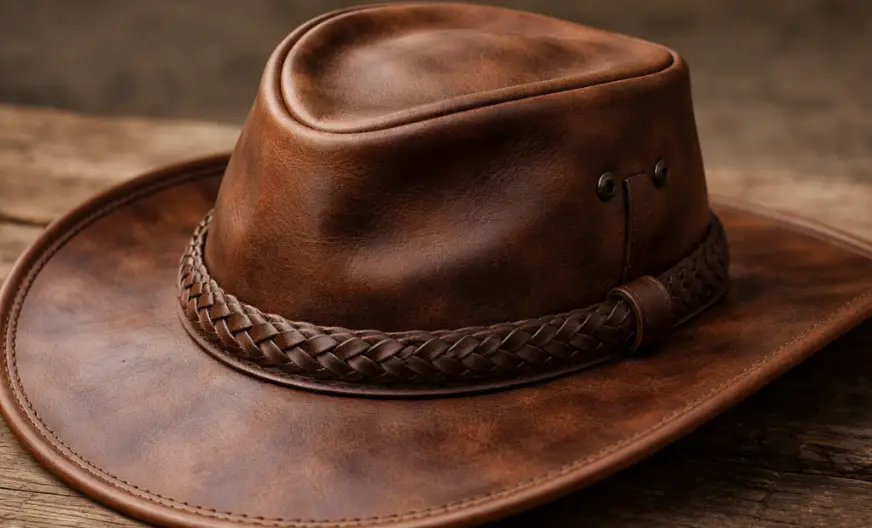
Leather is strong, durable, and keeps its shape. It can handle some water but will get hot in the sun and stiff when new.
Over time, leather softens and molds to your head. Leather hats last a long time and are good for rugged outdoor use, travel, or situations where you need a structured, long-lasting hat.
One thing to note: leather isn’t breathable, so it can be uncomfortable in heat.
Synthetic Hat Materials
These are man-made fibers. They dry fast, resist shrinking, and can last a long time.
They don’t breathe as well as natural fibers, so your head can get hot if it’s sunny. They’re good for travel hats or rain hats.
Polyester
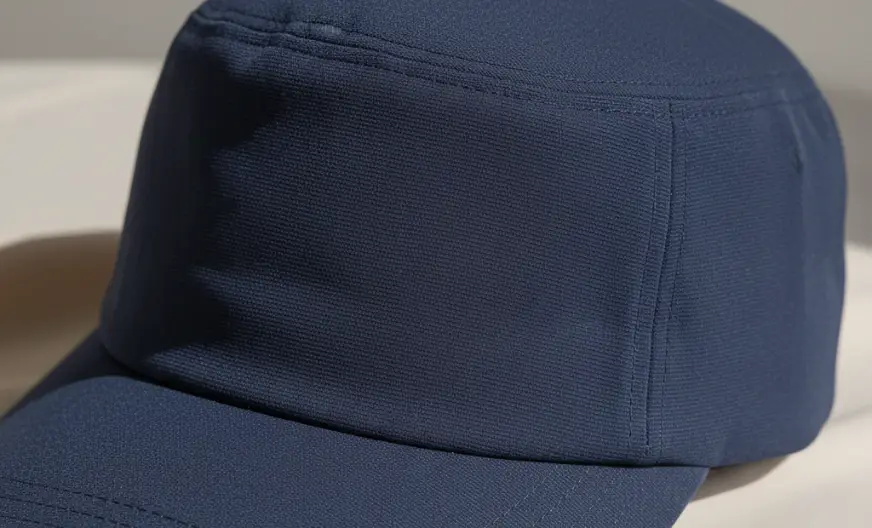
Polyester is light, dries fast, and is easy to clean. It doesn’t breathe as well as cotton, so it can feel hot in summer.
Polyester is durable and resists shrinking. It’s commonly used in casual hats, sports hats, and travel hats.
Keep in mind, polyester doesn’t breathe well and feels less natural.
Nylon
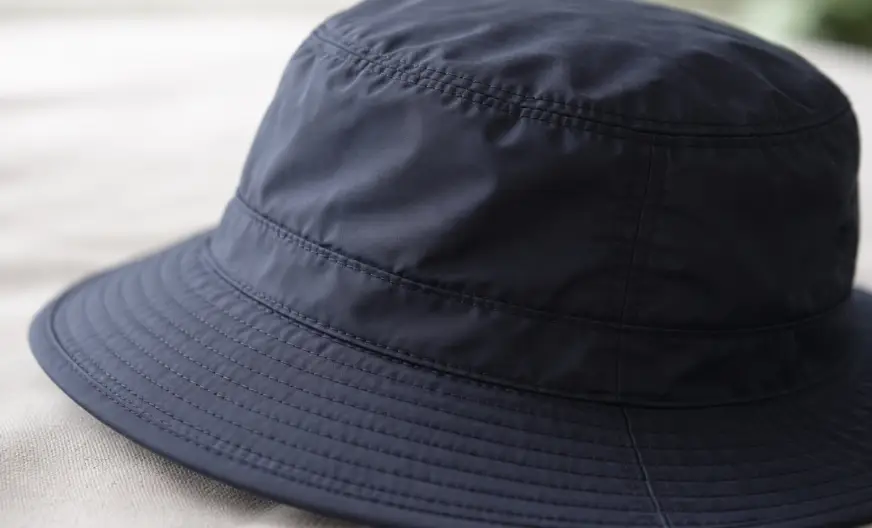
Nylon is strong, water-resistant, and lightweight. It works well in rain or travel hats that need to pack easily.
It isn’t very breathable, so wearing it in hot weather can feel uncomfortable. Nylon lasts long and keeps its shape. They are practical for outdoor activities or rainy weather.
One downside, nylon can trap heat and feel uncomfortable over a long period.
Acrylic
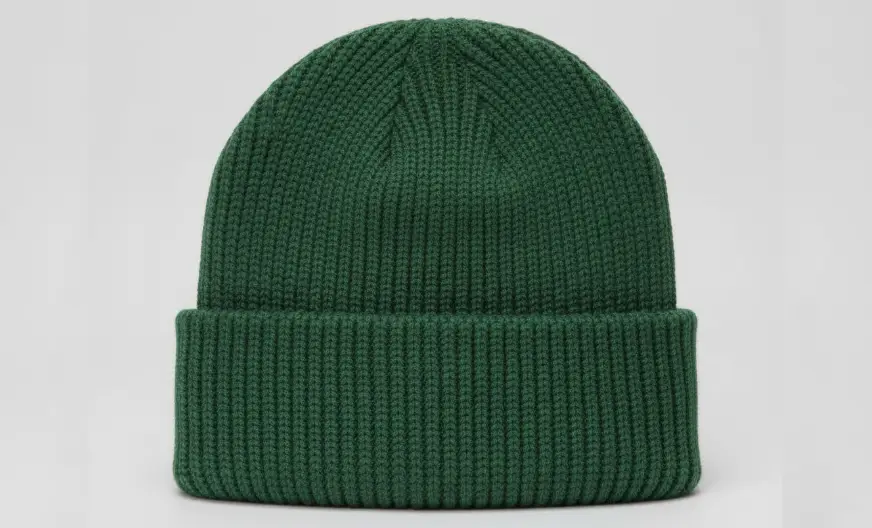
Acrylic is soft, warm, and similar to wool. It dries faster than wool but doesn’t absorb moisture well, so heavy rain can be uncomfortable.
Acrylic is lightweight, easy to care for, and good for winter or casual hats. Note that acrylic isn’t as durable as wool and can feel less natural.
Blended Hat Materials
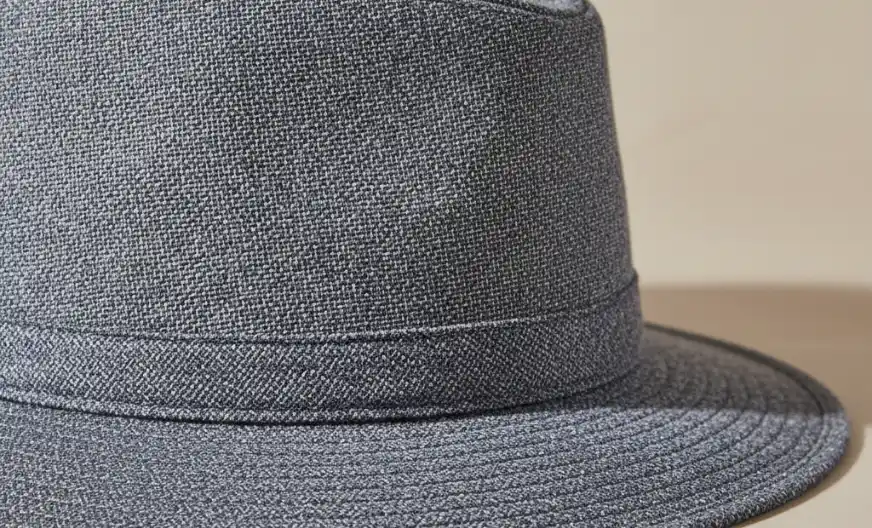
Blended materials are a mix of natural and synthetic fibers. The goal is to get the good parts of both. Better strength, easier care, and decent comfort. These are often used in everyday hats.
For example, wool-polyester blends are warm, last longer than pure wool, and are easier to clean.
Cotton-polyester blends are light, breathable, and hold shape better than pure cotton.
Blends are versatile and good for everyday hats or hats that need to handle different weather.
Things to watch out for: some blends can still feel warm in summer and aren’t fully waterproof.
Best Hat Materials for Different Uses
Now that you know the different hat materials, let’s see which material will work best for which situation. This will help you pick the right hat for your needs.
Best Hat Materials for Summer
Summer hats should keep your head cool and let air pass through. Light cotton and straw hats are best.
They are comfortable to wear for hours and don’t make your head sweat. Thick or lined hats will feel hot quickly, so they are not a good choice for hot weather.
Best Hat Materials for Winter
In winter, warmth is the most important factor. Wool and felt hats will keep your head warm and hold their shape even in cold conditions.
Leather hats can work if they are lined, but thin summer hats won’t protect you from the cold.
Best Hat Materials for Rain
When it’s rainy, water resistance becomes the priority. Leather, nylon, or polyester hats can handle wet weather without losing their form.
Hats made from cotton, straw, or felt will get soaked and may lose shape or get damaged.
Best Hat Materials for Everyday Wear
Everyday hats need to be comfortable, durable, and easy to care for. Cotton, wool, or blended fabrics are reliable choices.
They handle different temperatures, last longer, and are low-maintenance. Avoid delicate materials that require special care if you want to wear a hat daily.
Best Hat Materials for Formal Hats
Formal hats need structure and a neat appearance. Felt and wool are the best options because they hold shape and look clean.
Leather works for some styles as well. Cotton or straw generally looks too casual, unless it’s a summer formal hat.
How Hat Materials Affect Price and Quality
The material of a hat affects how much it costs and how long it lasts.
Wool, felt, and leather are more expensive because they are durable and take time to make. Cotton and straw are cheaper and lighter, but they wear out faster.
Synthetic materials like polyester, nylon, and acrylic are cheap, dry quickly, and last a long time. They don’t feel as natural, and some don’t hold shape as well.
Blended hats use a mix of fibers so you get comfort, better durability, and a reasonable price. A cotton-polyester blend, for example, is more durable than pure cotton and still breathable.
Expensive doesn’t always mean better.
A cheap cotton or straw hat is fine for casual use, while a high-end wool or leather hat may be unnecessary if you wear it occasionally.
The key is picking a material that fits how you’ll actually use the hat.
How to Choose the Right Hat Material
Choosing the right material comes down to three simple things.
- Where you’ll wear the hat.
- What you need it for.
- And how much care you’re willing to give it.
Start with the weather.
Hot weather needs light and breathable materials like cotton or straw. Cold weather needs wool or felt to keep heat in. For rain, leather, nylon, or polyester handles moisture better.
Next, think about how often you’ll wear it.
If it’s an everyday hat, comfort and easy care matter. Cotton, wool, or blends work well. For formal hats, structure matters more, so felt, wool, or leather make sense.
Lastly, think about upkeep and price.
Wool, felt, and leather need more care. Cotton and synthetics are easier to live with. Don’t overpay for a material you won’t use often.
Match the material to your real use, not just the look.
Quick Hat Material Selection Guide
| When to Wear It | Best Hat Materials | Why It Works |
|---|---|---|
| Summer | Cotton, Straw | Light and breathable, keeps your head cool. Avoid thick or lined hats. |
| Winter | Wool, Felt, Lined Leather | Warm, holds shape, protects from cold. Thin summer hats won’t work. |
| Rain | Leather, Nylon, Polyester | Water-resistant and keeps its shape when wet. Cotton, straw, or felt soaks easily. |
| Everyday Wear | Cotton, Wool, Blends | Comfortable, low-maintenance, and easy to wear daily. |
| Formal Occasions | Felt, Wool, Leather | Structured and neat look. Cotton or straw usually looks too casual. |
| Travel / Outdoor Work | Synthetics, Blends | Durable, quick-drying, holds shape, and survives rough use. |
Hat Care and Maintenance
Taking care of your hat helps it last longer. How you care for it depends on the material.
Cotton hats are easy to handle. Wash by hand with mild soap and air dry. Whatever you do, don’t wring them out or they’ll look wonky. We learned the hard way how to do this right, so if you need a hand, here is our tested way to wash a hat without destroying it.
Straw hats should stay dry. If they get wet, let them dry naturally and avoid bending or crushing them.
Wool and felt need gentle care. Brush off dust, clean spots with a damp cloth, and avoid soaking. Keep them away from heat when drying.
Store felt hats on a rack or lightly stuffed so they hold their shape.
Leather hats last longer when kept dry. Use leather conditioner once in a while. Avoid direct sun and wipe clean with a damp cloth.
Synthetics like polyester or nylon are simple. Wipe or rinse when needed. They dry quickly and need little care.
If you don’t want to ruin your hats, we show exactly how to clean, dry, and store them in our hat care guide.
So, Which Hat Material Makes Sense for You?
You’ve seen how different hat materials behave in different weather, uses, and styles.
The goal is simple. Pick something that actually works for your daily life, not just something that looks good online.
Which hat material are you most likely to choose next, and what will you use it for?
Share your answer in the comments. If you’re stuck between two materials or unsure what works best, mention that too.
If you’re not sure which style to choose, see our types of hats guide to find a hat that fits and feels great.
FAQs About Hat Materials
What are the most popular materials used in high-quality hats?
Most good hats are made of wool, felt, leather, or straw. Wool and felt last for years if you take care of them.
Leather is strong and looks sharp. Straw is light and perfect for summer. Cotton and blends are okay for casual hats, but don’t last as long.
Are natural materials always better than synthetic ones?
Not really. Natural fabrics feel great and can last a long time, but they need care. Synthetics like nylon or polyester are easier to handle and survive rough use. It depends on what you want from your hat.
What is the most breathable hat material?
Cotton and straw are the most breathable. They let air pass through and keep your head cool. Wool and felt hold heat, so they can make you sweat if it’s hot outside.
What materials are best for waterproof hats?
Leather, nylon, and polyester handle water best. They resist rain and keep their shape. Cotton, straw, and felt absorb water and can get damaged, so avoid them when it’s wet.
Which hat material lasts the longest?
Leather and wool/felt hats last the longest. Leather can last decades, and wool/felt keeps its shape for years. Cotton, straw, and most synthetics wear out faster.
What is the warmest material for a hat?
Wool and felt are the warmest. They trap heat and protect your head from cold wind. Leather can also work if it has a lining. Thin cotton or straw won’t keep you warm in cold weather.