
You only need four measurements to find your face shape. Enter your forehead, cheekbone, jawline, and face length measurements below, and the calculator will determine your face shape.
Face Shape Calculator
Enter your face measurements below, and we'll tell you your face shape and which hats suit you best.How to Measure Your Face Shape
Grab a soft measuring tape. You can use inches or centimeters, whichever is easier.
No measuring tape? Use a piece of string instead.
Wrap it around the area you’re measuring, mark where it meets, then measure the string against a ruler. Use the same unit for all four measurements.
Step 1: Measure Your Forehead Width
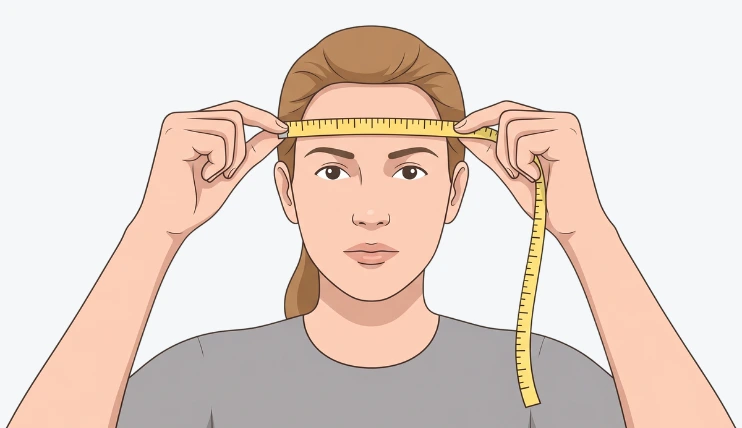
Find the widest part of your forehead, usually between your eyebrows and your hairline. Measure straight across from one side to the other.
Step 2: Measure Your Cheekbone Width
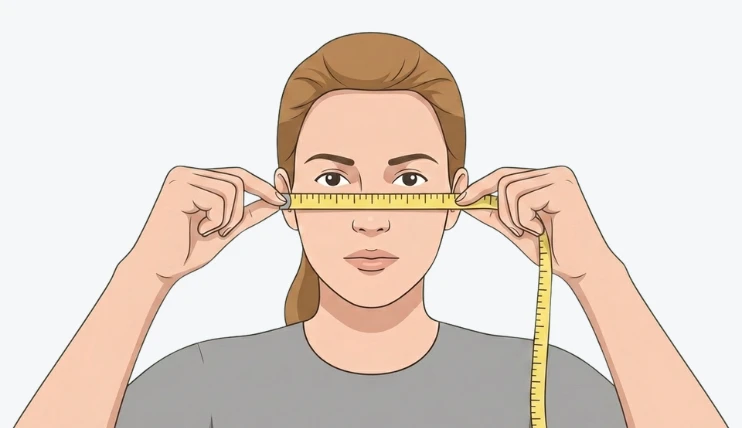
Find the widest part of your cheekbones, just below your eyes. Measure straight across from one side to the other.
Step 3: Measure Your Jawline
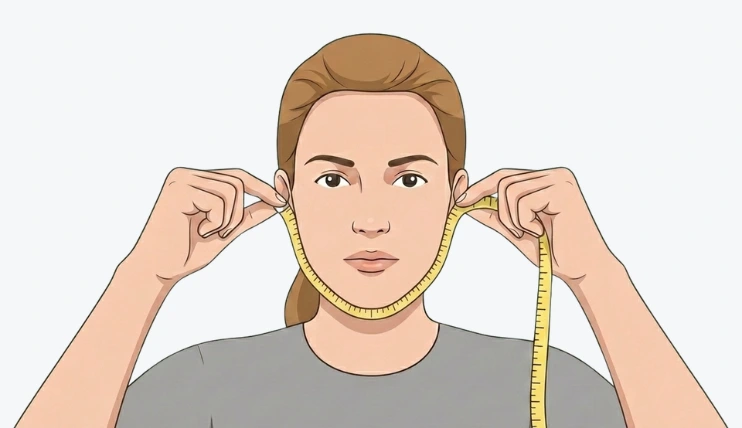
Start just below one ear, where your jaw starts. Run the tape along your jaw, around your chin, and up to the same spot below your other ear.
Keep the tape against your skin as you go around your chin. This number is your jaw measurement.
Step 4: Measure Your Face Length
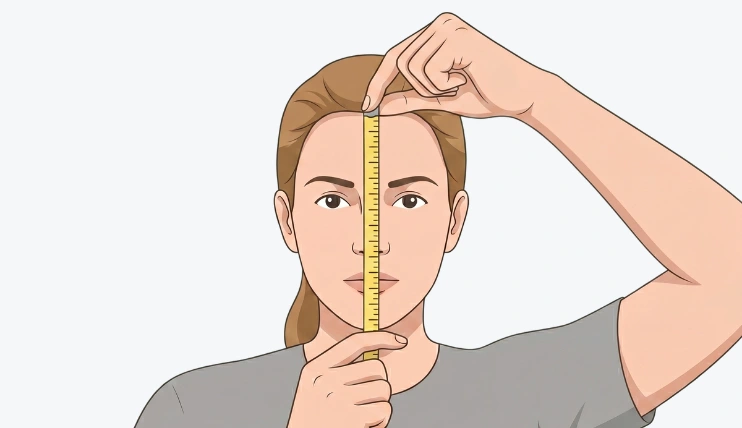
Measure from the center of your hairline straight down to the bottom of your chin. Keep the tape in the middle of your face so it runs straight from top to bottom.
Once you have all four numbers, enter them into the face measurement calculator to find your face shape.
Pro Tip: Use a mirror while measuring. It makes it easier to see where you’re placing the tape and helps you measure the right spots.
Common Face Measurement Mistakes to Avoid
A few small things can throw off your measurements. Here are the ones to watch for:
- Don’t measure over your hair. Move your hair away first, especially around your forehead and cheeks. The tape should sit against your skin.
- Measuring your forehead too high or too low: The widest part is usually between your eyebrows and hairline. Place the tape there and measure straight across.
- Measuring your cheekbones in the wrong place: Find the widest points of your cheekbones, usually just below your eyes. Measure straight across from one side to the other.
- Measuring the jawline incorrectly: Start just below one ear, follow the natural curve of your jaw around your chin, and finish just below the other ear. Don’t measure only the width from one side of your jaw to the other.
Face Shapes Explained
Once you enter your numbers into the face measurements calculator, your result will be one of these face shapes. Find yours below.
1. Oval Face Shape
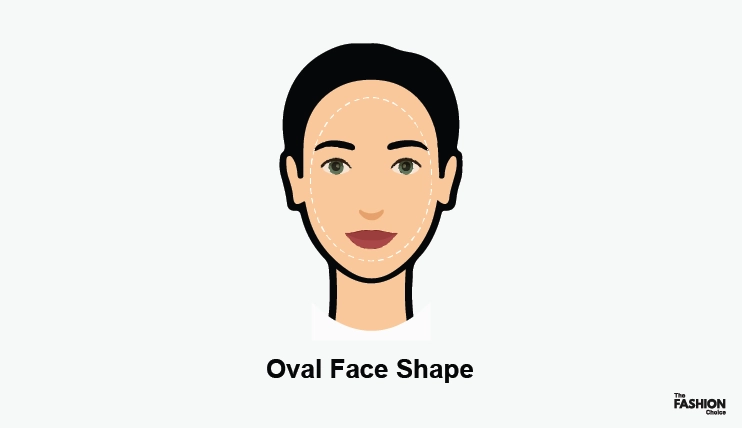
An oval face is longer than it is wide. The cheekbones are usually a little wider, while the forehead and jaw are a bit narrower.
Most hats look good on an oval face. You can go with a fedora, baseball cap, bucket hat, Panama hat, or many other styles. If you don’t want your face to look longer, avoid very tall crowns.
See our Best Hats for Oval Faces guide for more hat ideas.
2. Round Face Shape
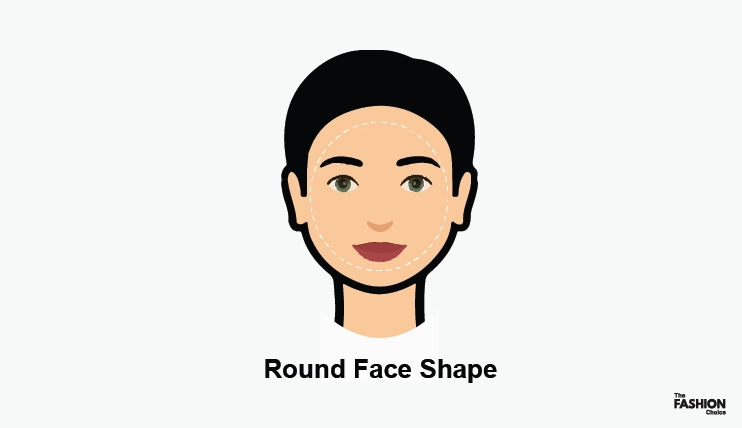
A round face is about as wide as it is long. The cheeks are usually the widest part, while the forehead and jaw are softer and more rounded.
Hats with some height on top can look good on a round face. Fedoras, trilbies, and baseball caps are good options.
Avoid hats that are very flat on top, as they can make your face look wider.
We’ve covered more hat options for this face shape in our Best Hats for Round Faces guide.
3. Square Face Shape
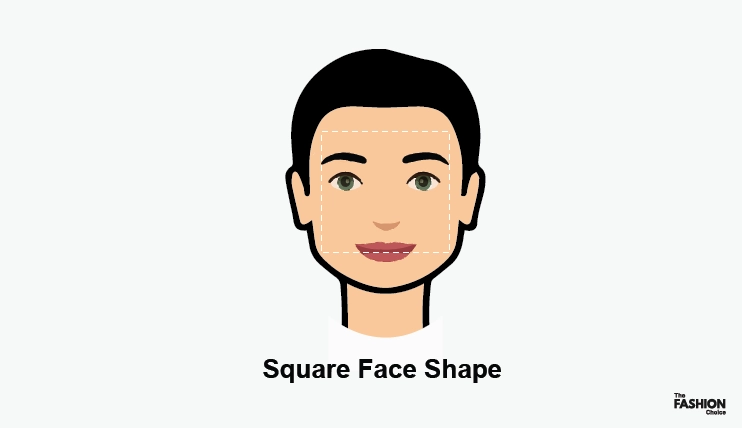
A square face is about as wide as it is long. Your forehead, cheekbones, and jaw are close in width, and your jaw has a strong, defined look.
Hats with a rounded crown or curved brim can look good on a square face, such as fedoras, Panama hats, and bucket hats. These can soften the stronger angles of a square face.
Try not to choose hats with very sharp or boxy shapes if you want a softer look. A little curve in the crown or brim can work better.
You can find more hat options in our Best Hats for Square Faces guide.
4. Oblong Face Shape
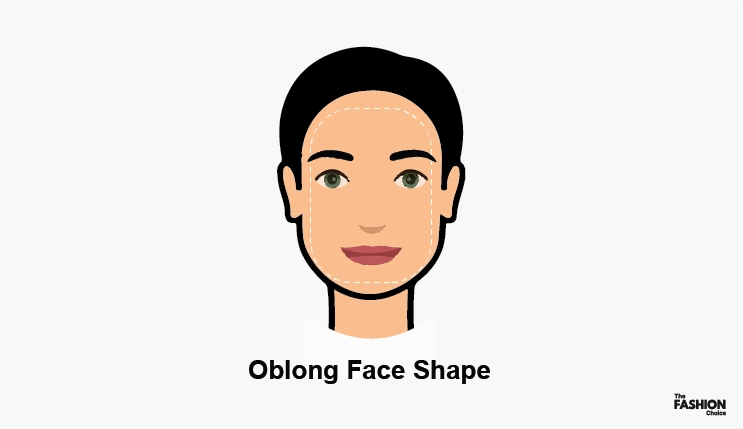
An oblong face is longer than it is wide, and the forehead, cheekbones, and jaw are usually close in width.
A wider brim can work well here, especially with a shorter crown. This can make your face look a little less long. A fedora, Panama, or bucket hat with this kind of shape is a good place to start.
Very tall crowns can make an oblong face look even longer, so it’s better to avoid them if that’s not the look you want.
You can find more ideas in our Best Hats for Oblong Faces guide.
5. Heart-Shaped Face
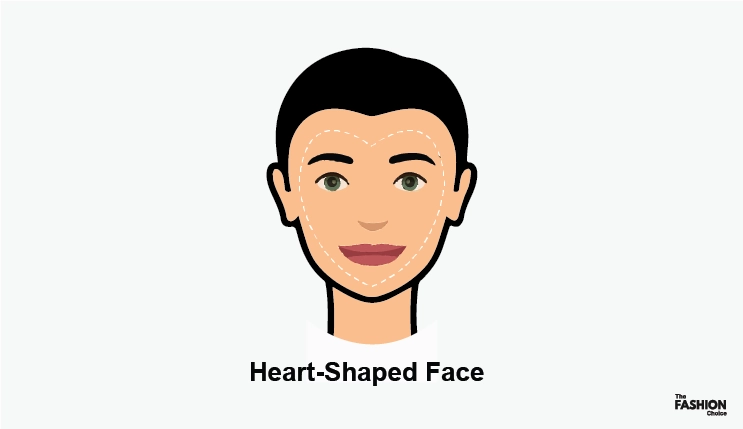
A heart-shaped face is wider around the forehead and cheekbones, then gets narrower toward the chin. The chin is usually the narrowest part of the face.
Hats with a medium or slightly wider brim can help balance the wider forehead and narrower chin. Fedoras, bucket hats, and baseball caps can look good on a heart-shaped face.
Avoid very narrow brims if you don’t want to make the forehead look wider.
See exactly what works in our best hats for a heart-shaped face guide.
6. Triangle Face Shape
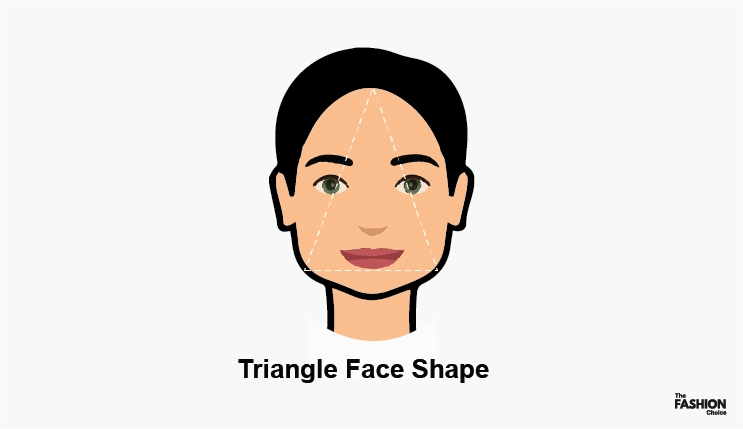
A triangle face is wider at the jaw than at the forehead. Your jaw is usually the widest part of your face, while your forehead is narrower.
Choose hats with a wider brim or a taller, rounded crown. These can add a little more width and height above your face, which helps balance a wider jaw. A fedora is a good example.
Avoid hats with very wide brims that point downward or have lots of detail around the brim. These can draw more attention to the lower part of your face.
7. Inverted Triangle Face Shape
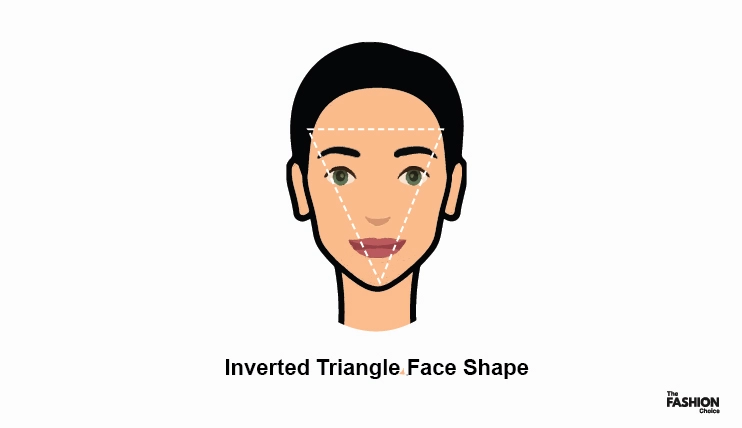
An inverted triangle face is wider at the forehead and gets narrower toward the jaw. The chin is usually the narrowest part of the face.
A wider brim can look good on this face shape because it adds width around the lower part of the face. A fedora, Panama hat, or bucket hat can be a good choice.
Very narrow brims can make the forehead look wider, so they are better to avoid. Our guide to the Best Hats for Inverted Triangle Faces covers more hat styles and tips for this face shape.
8. Diamond-Shaped Face
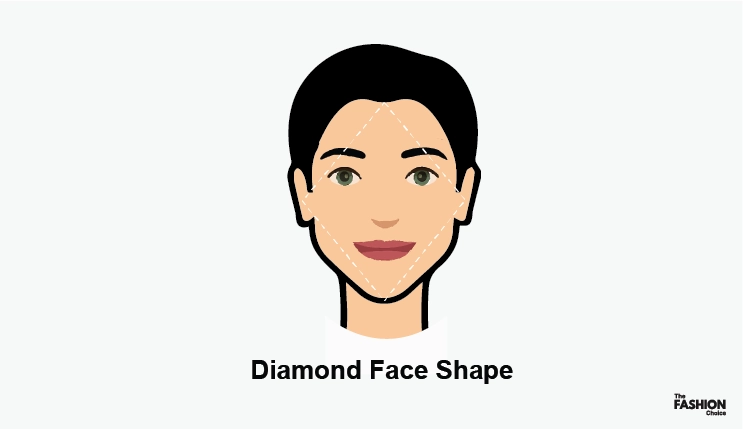
A diamond-shaped face is widest around the cheekbones, with a narrower forehead and jaw. The chin is usually a little pointed, which gives the face a more defined shape.
A hat that adds a little width around the forehead can work well with this face shape. A medium or slightly wider brim can also soften the sharper look around the cheekbones and chin.
Fedoras, Panama hats, and bucket hats are good options to try. Avoid very narrow brims if you don’t want to put more attention on your cheekbones.
We cover more options in our Best Hats for Diamond Faces guide.
Face Shape vs. Head Shape
Face shape is the shape and proportions of your face, such as your forehead, cheekbones, jawline, and face length.
Head shape is about the overall shape of your head, including the back and sides of your head. Our face shape calc only uses your facial measurements from the front of your face, not your overall head shape.
Frequently Asked Questions
Can my face shape be between two shapes?
Yes. Some faces have features that fit more than one face shape. For example, your forehead and cheekbones may fit one shape while your jaw is closer to another. In that case, your face may have characteristics of both shapes, and there may not be one perfect match.
Does the Calculator Work for Men and Women?
The calculator works for both men and women because it looks at the proportions of your face, not whether you are male or female. It uses your forehead, cheekbones, jawline, and face length to determine your face shape.
What is the difference between round and oval face shapes?
A round face is about as wide as it is long, with fuller cheeks and a soft, rounded jawline. An oval face is a little longer than it is wide, and the cheekbones are often slightly wider than the forehead and jaw. The main difference is the overall length and width of the face.
Can your face shape change?
Your face can look different as you get older or your weight changes. These changes can affect the shape and proportions of your face, even though your basic bone structure may stay similar.
How accurate is a face shape calculator?
This face calculator can give you a useful estimate, but it can’t guarantee an exact result. The result depends on how accurately you take your measurements and how closely they match the face shapes used by the calculator.
Why did the calculator give me Mixed / No Clear Match?
This means your measurements don’t clearly match one face shape. Your numbers may fall between two or more shapes, so the calculator can’t give you one clear match. This is normal. Read through the face shape descriptions above and see which one looks most like your face.
What if my measurements don’t seem right?
Take the measurements again and check that you have measured your forehead, cheekbones, jawline, and face length correctly. Use the same unit for all four measurements. If the result still doesn’t seem right, compare it with the face shape descriptions above.